Consultants Are Striking Again. Why Should We All Care?
How’s your MSK...? Don’t Miss Our Upcoming Masterclass!
Breaking News...!
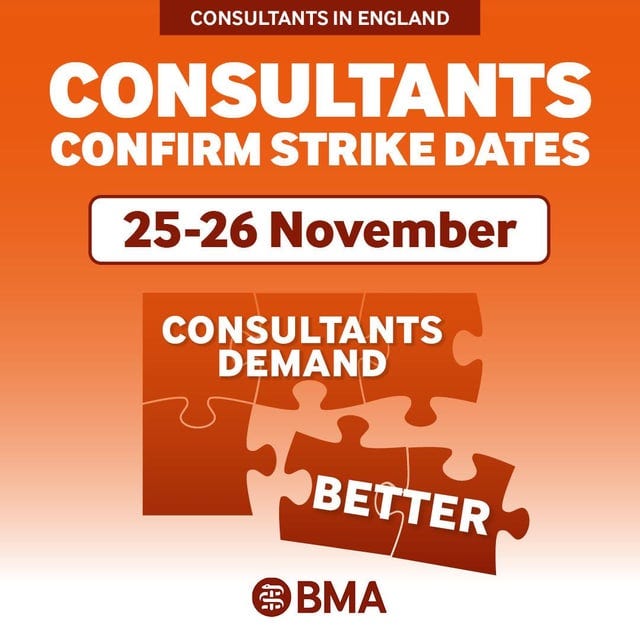
The BMA has announced two days of consultant strike action in England on 25 and 26 November 2026. This is after 18 months of dispute with the Government over pay and after the announcement of a 2.4% pay rise, the results of the ballot in July were not surprising.
So, why are consultants striking?
According to the BMA, consultant pay has fallen by around 25% in real terms since 2009. The Government’s proposed 2.4% pay uplift for 2027/28 has added to frustrations. But this isn’t just about pay. Consultants are also calling for more manageable working hours, better recognition of out-of-hours work and protected time for teaching, supervision and service development. It’s beyond the £££’s.
I remember being a junior doctor on strike…
If you look through our previous articles, we’ve written extensively about strike action. I distinctly remember the support I and my junior doctor colleagues received from consultants, nurses and colleagues across the NHS. It mattered enormously.
The junior doctor dispute, which began in 2023, went on for more than three years before a final agreement in June 2026. Along the way, industrial action helped secure improved pay offers and kept the wider issue of pay restoration firmly on the agenda. It was a reminder that collective action can make a difference, even when progress is slow.
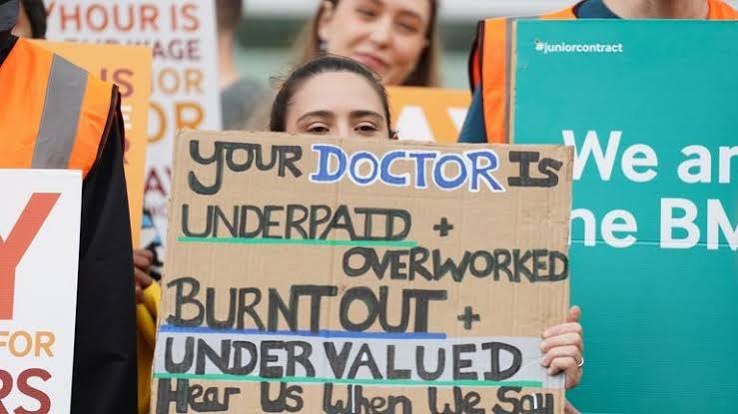
And that’s why I think solidarity matters. Whether it’s doctors, nurses, pharmacists or other healthcare professionals, decisions to strike are made through democratic ballots within their respective unions. We might not always agree with every demand, but we should respect the right of colleagues to organise and advocate for their professions.
What happens on 25 and 26 November?
Consultants are expected to provide Christmas Day levels of cover, meaning emergency and immediately life-saving services will continue, while routine outpatient appointments, elective procedures and some investigations may be postponed.
For those of us in primary care, there may be knock-on effects: delayed specialist reviews, disrupted referrals and patients contacting their GP practices for advice while awaiting hospital appointments. For secondary care clinicians, this will likely mean more demand on the ground as well as significant redepolyment to cover areas of high acuity. Most clinicians will be asked to drop their non-clinical activities to ensure adequate coverage across the hospital.
Of course, strikes are disruptive. Patients are understandably frustrated, and nobody wants to see care delayed.
… And what about the politics?
The politics surrounding strikes are also becoming increasingly uncomfortable. For example, Conservative leader Kemi Badenoch has previously proposed banning doctors from striking altogether. Whatever our political views, I find the idea of removing a profession’s right to take industrial action deeply concerning. Healthcare professionals should have the same fundamental employment rights as everyone else.
Ultimately, whilst we can disagree about pay demands, the timing of strikes or how disputes should be resolved, all of this is very different from suggesting that healthcare professionals should lose their right to strike. This is a conversation about value as there is a real sense of clinicians feeling undervalued, tired and thus unable to continue working within the NHS.
Supporting our colleagues and caring about patients are not mutually exclusive. A sustainable NHS needs both.
MSK Masterclass – Learning from a Physiotherapist’s Perspective
First Contact Physiotherapists (FCPs) have been a fantastic addition to primary care. But the reality is that MSK presentations remain a huge part of everyday clinical practice, whether you’re a GP, ACP, nurse, pharmacist or working in secondary care.
And there’s plenty we can learn from our physiotherapy colleagues!
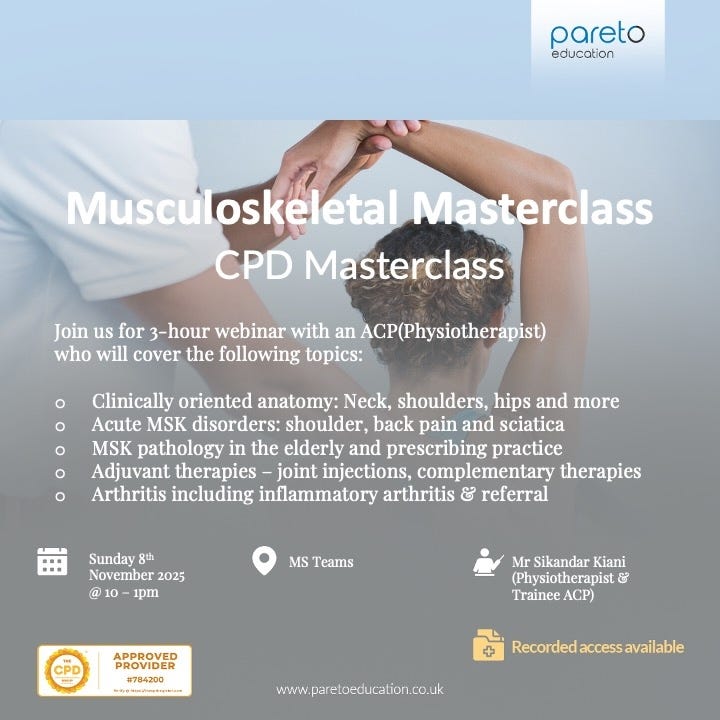
Join Mr Sikandar Kiani, a physiotherapist and qualified ACP, for a practical, case-focused MSK Masterclass exploring clinical assessment, common MSK conditions, acute injuries, arthritis and rehabilitation.
The aim? To move beyond simply prescribing analgesia and develop greater confidence in diagnosing and managing MSK presentations.
- Sunday 8 November | 10am–1pm (Live AND recorded)
- Online via MS Teams | £45
- 3 CPD points | Recording available for 60 days
Book your place: https://www.paretoeducation.co.uk/webinars/cpd-musculoskeletal-msk-masterclass
Originally published on Substack.