The Wolverine Stack: When the Science Sounds Better Than the Evidence
How’s Your Minor Illness’ Knowledge?

Here’s a story. A real story.
A patient came to see me recently who was a keen weightlifter. At the end of the consultation, he asked:
“Doc, what do you think about peptides?”
“Peptides? What are those..” I thought.
“Wolverine Stack, have you heard to it?”
I mean, I know Wolverine. Who doesn't? He’s strong, fast and has rapid regenerating powers.
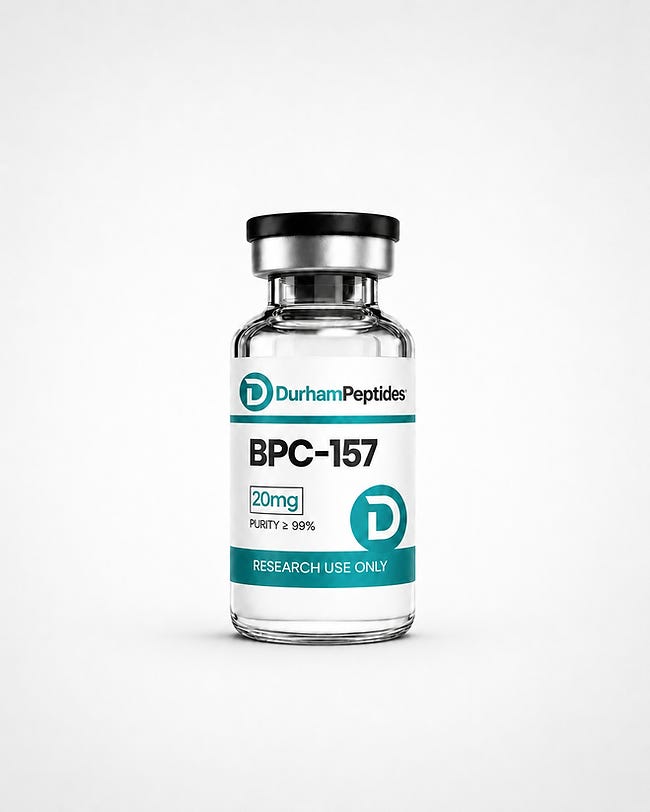
Turns out it has nothing to do with our boy Wolverine. “Wolverine stack” refers to a combination commonly referring to BPC-157 and TB-500.
Several of his friends at the gym were apparently taking it. They were recovering faster, training harder and, in his words, making serious “gains.”
Then came the clinical question:
“Is it safe?”
I wasn’t entirely sure. So, rather than dismissing it, I decided to investigate.
What exactly are we dealing with?
BPC-157 is a synthetic peptide that has attracted attention for its potential effects on tissue repair, inflammation and healing. TB-500 is associated with thymosin beta-4, a naturally occurring peptide involved in processes such as cell migration and tissue repair.
On paper, it sounds impressive and importantly, there is science behind some of these claims. Laboratory and animal studies have produced interesting findings around tissue and tendon healing.
But here comes our first lesson in interpreting research… Biological plausibility does not equal proven clinical benefit.
Much of the evidence surrounding these peptides is preclinical. Robust human data are extremely limited, and good-quality clinical evidence for the combination known as the “Wolverine Stack” is even more scarce.
“But everyone at my gym says it works.”
This is where things become interesting. My patient’s friends may genuinely have experienced benefits. Someone takes a peptide, their shoulder improves, they return to training and their lifts increase. The obvious conclusion here is… the peptide worked!!
But… perhaps they also rested, changed their training programme, improved their nutrition or simply experienced the natural recovery of their injury. This is exactly why anecdotes and testimonials are useful for generating questions but poor at answering them.
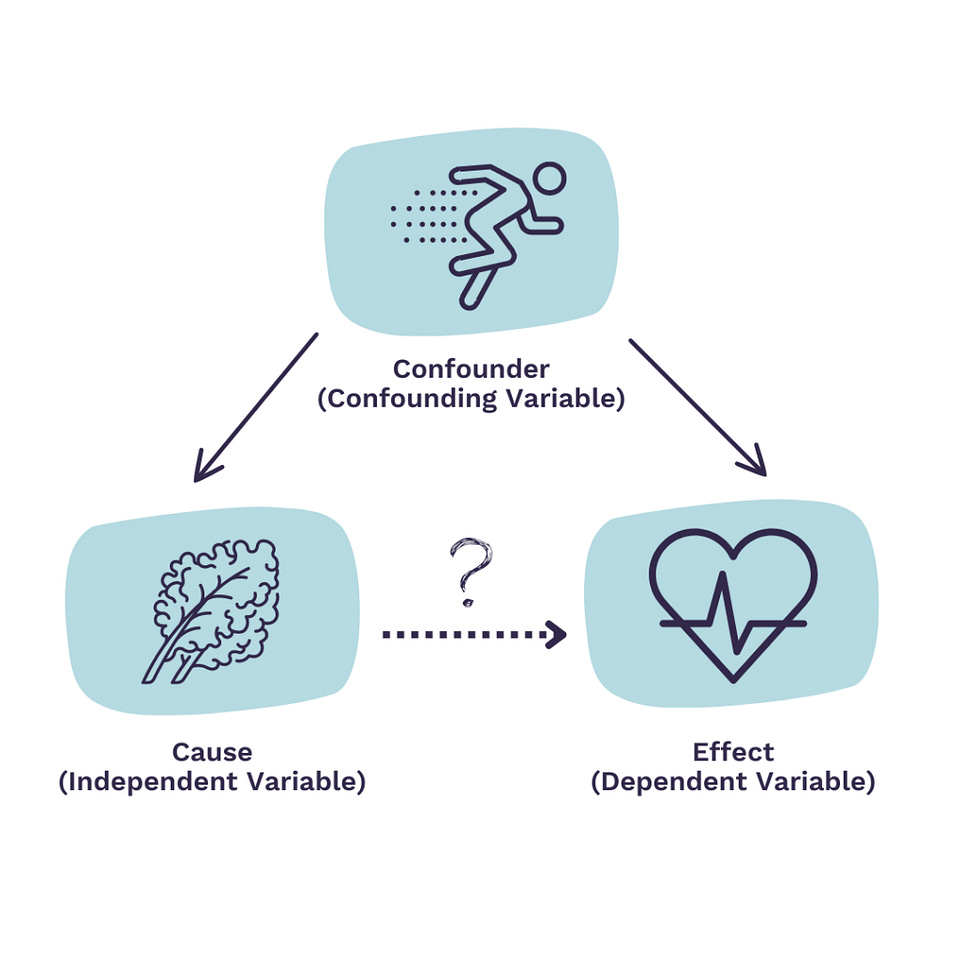
That difference is fundamental to evidence-based medicine.
However… what about the gains? How do we explain it to patients?
This requires another important distinction. Healing isn’t the same as muscle growth. Even if a peptide eventually proves effective at improving tissue recovery, that does not automatically mean it increases muscle mass or strength.
To demonstrate that, we would need human trials measuring outcomes such as muscle mass, strength, recovery and injury rates. Whilst interesting mechanisms can provide a reason to conduct those studies, they cannot replace them.
So, is it safe?
Perhaps the most important principle is this:
“We haven’t proved it is dangerous” does not mean “we have proved it is safe.”
Safety requires adequate numbers of people to be studied for sufficient periods of time. With limited human data, uncommon or longer-term adverse effects may simply be unknown.
There is also another issue: what is actually in the vial? With a regulated medicine, manufacturing, concentration, purity and sterility are controlled. With peptides purchased from unregulated online sources, those assurances may not exist.
We therefore have two important questions:
- What does the peptide do to humans?
- Is the product actually what it claims to be?
The real lesson wasn’t about peptides
By this point, a simple question about gym supplements had become a useful lesson in reading scientific evidence. Whenever you encounter a new treatment, supplement or health trend, ask a few simple questions:
- What exactly is being used?
- What is the proposed mechanism?
- Has it been demonstrated in humans or mainly in cells and animals? Has the actual treatment been tested in controlled trials?
- Were clinically meaningful outcomes measured?
- How good is the safety data?
- And, crucially, what don’t we know?
The Wolverine Stack has interesting biological science behind it. What it doesn’t currently have is the quality of human clinical evidence required to confidently establish its benefits and longer-term safety.
That doesn’t mean it will never work. It just means we don’t know yet and perhaps that is the most important part of evidence-based medicine.
When my patient says, “But Doc, everyone at my gym is taking it,” the question isn’t how many people are using it. It’s “how good is the evidence that they should be?”
CPD Minor Illness’ Masterclass
Our CPD Minor Illness’ Masterclass is one of our most popular courses — and it’s back with some SERIOUS updates.
Minor illness management has moved on significantly, with important changes to treatments, clinical assessment, prescribing and referral pathways. This one-day, case-based masterclass brings you fully up to date across the presentations clinicians encounter every day, from respiratory and ENT problems to rashes, abdominal pain, headaches and more.
Practical, clinically focused and built around one question: what should you actually do when the patient is sitting in front of you?
Live online | 6 CPD points | 90-day recorded access
Originally published on Substack.