
A Week of Medico-Legal Drama...
FREE Tutorial on U&E Interpretation

I wasn’t sure how else to title this weeks newsletter. Let me summarise the main headlines:
- The COVID inquiry founded that lockdown could have been entirely avoided
- Repeated doctors strikes have been alleged to cause pain and misery on patients
- The UK has initiated trials on new puberty blockers to deem their safety in patients under the age of 16 years old.
This week’s headlines have highlighted a recurring truth: healthcare never exists in isolation.
Every clinical decision, public health strategy, or workforce change is shaped by social expectations, political pressures, economic realities, and deeply held moral values. I’ve always found the remit of such discussions interesting. I remember sitting in lectures on medical ethics and discussing topics such as abortion, blood transfusions and more. These conversations are vital as despite being in the remit of healthcare, our discussions can have huge moral and economic repercussions for patients.
For example, take a recent case I had of a 42 year patient with nausea and vomiting. She was under gastroenterology and given esomeprazole with the view to testing her bile salts. I was sent a request for a cyclizine prescription for the same patient and noticed that she was requesting it on a regular basis. Despite being given a 7 day course each time, she repeatedly went to the pharmacy asking for her cyclizine early.
I suspected that she may have become addicted to cyclizine and tried to act quickly. I invited her into the surgery for a chat and had to weigh up the risks of addiction and long term complications vs the therapeutic benefit she claimed she was getting. The fact that I just used the term “she claimed” meant that I didn’t fully trust what she was saying. That’s quite a difficult thing to admit to but is the honest truth. Here my clinical decision making was layered with complex moral and emotional quandrys’s. This is healthcare today.
The Headlines
I’ve followed the news with regards to each of the headlines above and really thought about the evolving dynamics and complexities of each conversation. A recurring theme across all three debates is the tension between individual needs and collective wellbeing.

The COVID inquiry has reignited conversations about whether large-scale restrictions were an unavoidable act of protection or a preventable disruption with lasting social and economic consequences. The impact has been dire - we’re inheriting a terrible economy, tackling a terrible mental health crisis with significant social impacts including a declining birth rate. These discussions reflect a broader dilemma: how much we expect individuals to sacrifice for the common good, and how well systems should prepare to avoid such sacrifices in the first place.
This same balance appears in arguments surrounding the doctors’ strikes. I’m a doctor myself but reading the discussion on public forums has been interesting. On one side is the principle that healthcare workers have the right to fair pay, safe staffing levels, and sustainable careers. I believe that to be the case and will always support the strikes. However, on the other is concern about how repeated strikes affect patients and the day-to-day functioning of the health system. Supporters frame the action as essential to preserving long-term quality of care; critics fear that short-term disruption undermines public trust and causes unnecessary suffering.
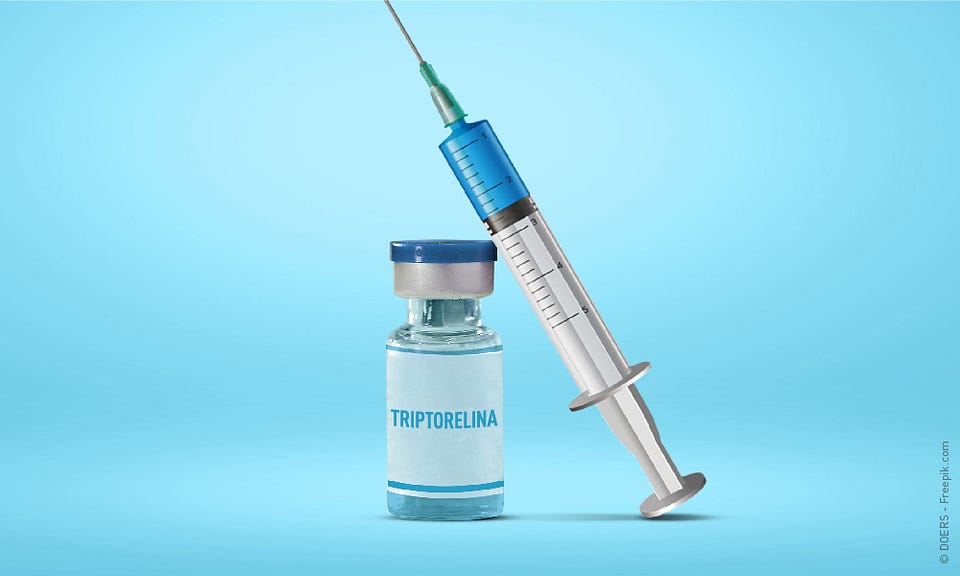
Meanwhile, the launch of puberty-blocker trials adds another dimension to the conversation: how to ethically introduce or withhold treatment for children when evidence, values, and social beliefs collide. Every now and again I have parents bringing in their children who are unsure of their sexuality. I have my personal opinions about the matter but can appreciate the difficult positions parents are in. Advocates of the trials argue that stronger data is vital for safety, while others worry about the emotional impact of delaying access. This raises questions about autonomy, responsibility, and how society decides what medical options should be available to minors.
Seen together, these stories reveal a shared truth: healthcare is not simply a technical or clinical field—it is a negotiation between science, society, economics, and ethics. Whether evaluating pandemic decisions, navigating labour disputes, or assessing treatments for young people, we are continually balancing personal rights with collective needs, stability with fairness, and caution with compassion. No single perspective dominates, and the answers remain complex and evolving.
Let us know your thoughts —
U&E Blood Interpretation
Whether you’re a medical, nursing, or AHP learner, this FREE video breaks down the essentials of renal physiology and electrolyte balance, helping you build confidence in interpreting results and linking them to real-world clinical scenarios. ✅ Understanding renal physiology & fluid balance ✅ Components of a U&E profile explained simply ✅ The roles of sodium, potassium, urea & creatinine ✅ Common abnormalities and what they mean in practice ✅ Clinical cases to consolidate your interpretation skills
Website: www.paretoeducation.co.uk
Instagram: www.instagram.com/pareto_ed
Twitter: www.twitter.com/pareto_ed
Youtube: https://bit.ly/3DPm23c
Email: info@paretoeducation.co.uk
Originally published on Substack.


