Meet Kulfi: Can Pets Actually Be Good for the Health of our Patients?
Shall we prescribe pets instead of antidepressants? Let’s take a look at some BIG trials.

There has been a new addition to my household recently.
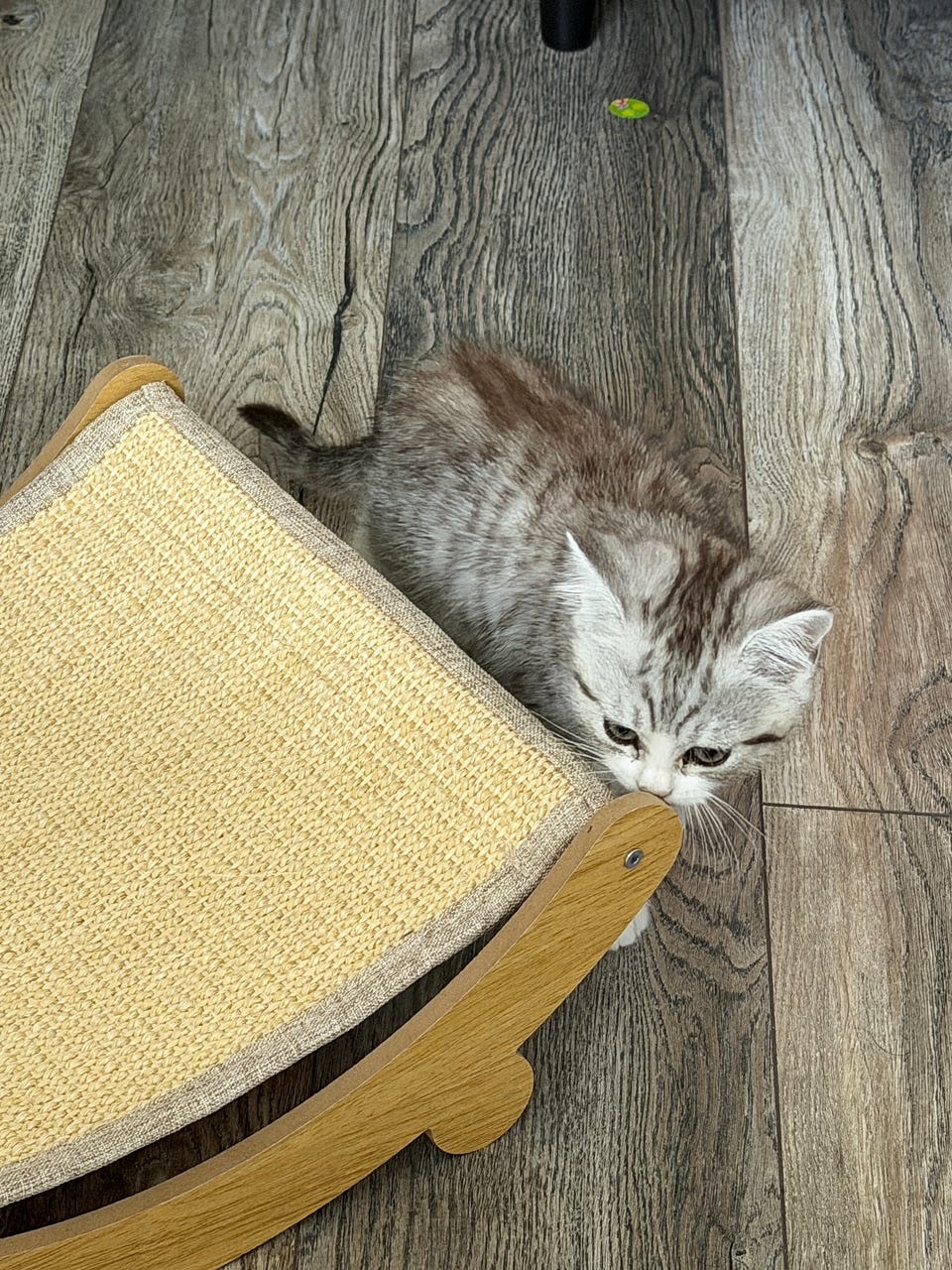
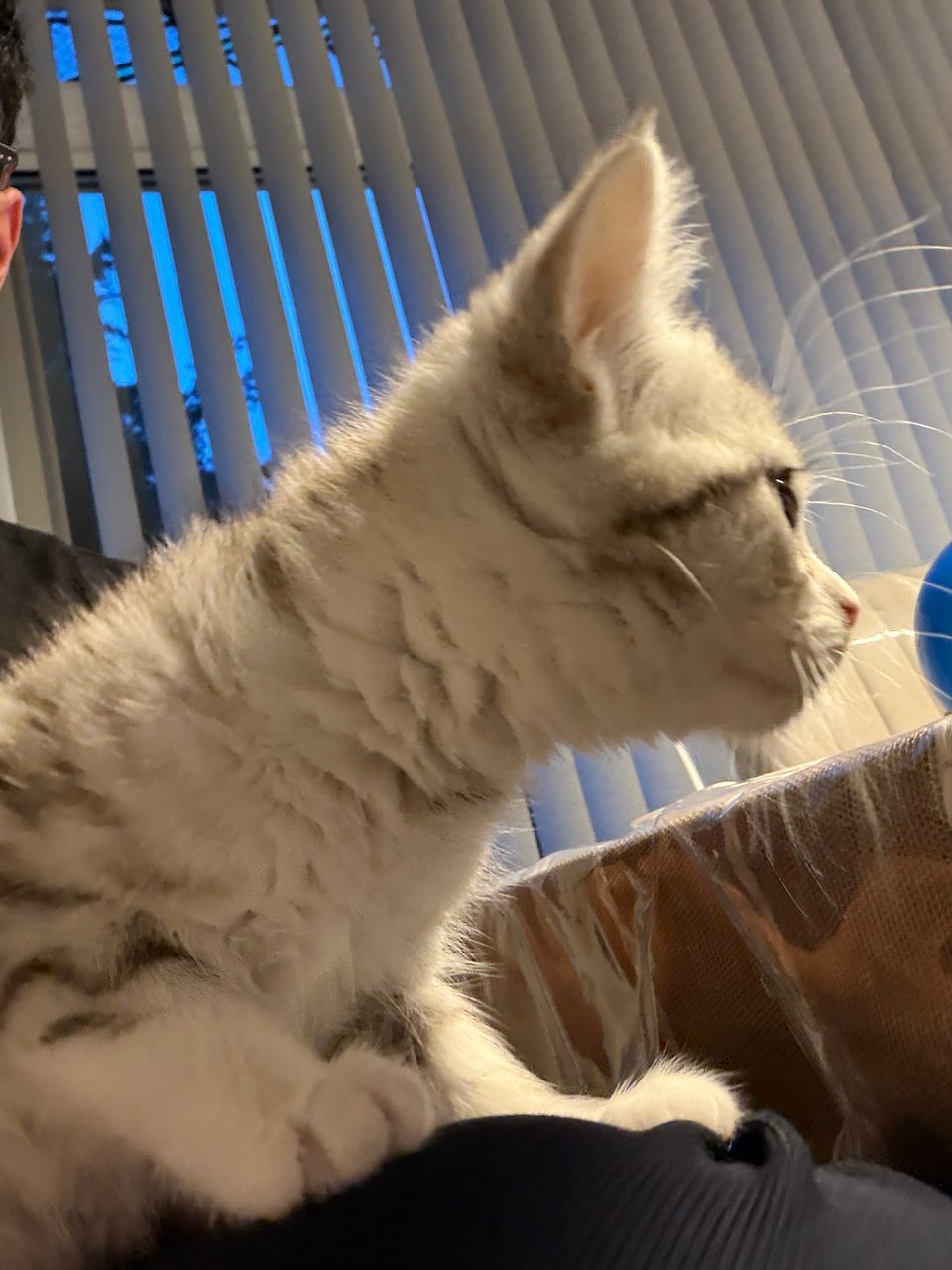
Her name is Kulfi (pronounced Kul-fee) a Persian–British Shorthair cross, named after the Indian frozen dessert. For anyone unfamiliar with kulfi, it’s sweet, occasionally nutty and very popular in our household.
The kitten appears to share at least two of those characteristics.
Since getting her, though, I’ve been thinking about something we probably don’t talk about enough in healthcare: the role pets can play in our physical and mental wellbeing.
More than just a pet?
For many of our patients, a pet is much more than an animal living in the house.
They can be a companion for someone living alone, a reason to get out of bed in the morning, a source of routine for somebody struggling with their mental health, or simply a reassuring presence at the end of a difficult day.
And there is some science behind this....
A systematic review examining pet ownership, loneliness and social isolation found evidence that pet ownership was associated with lower social isolation in adults, although the results for loneliness were more mixed. Interestingly, the relationship appeared particularly important during periods such as the COVID-19 pandemic, when normal human contact was restricted.
That doesn’t mean we should start prescribing kittens instead of antidepressants... although Kulfi would probably be quite happy with the commissioning arrangement.
The wider evidence is actually more nuanced. A recent meta-analysis involving 21 studies and more than 159,000 people found that pet ownership itself did not significantly reduce the overall risk of depression.
Perhaps that tells us something important: simply owning an animal isn’t the magic ingredient. The relationship, companionship and routine that can come with it may be what matters.
What about children?
This is where things become particularly interesting.
Pets can give children an opportunity to learn about responsibility, empathy, caring for another living thing and routine. Feeding the cat, changing the water and remembering that another creature depends on you are surprisingly practical life lessons.
A systematic review of 22 studies looking at pets and child/adolescent development found associations with better self-esteem, reduced loneliness, social competence and social interaction. There was also evidence that caring for pets may encourage responsibility, independence and self-reliance. Most importantly however, evidence around childhood anxiety and depression remains less certain.
A later systematic review examining the actual bond between children and their pets also found some positive associations with empathy, social support and quality of life… although again, researchers emphasised that the evidence isn’t universally consistent. In other words, pets aren’t therapists but they can become an important part of a child’s social and emotional world.
And sometimes, that’s enough
Healthcare quite rightly focuses on medication, investigations, diagnoses and interventions. But health also happens outside the consultation room.
It happens through relationships, family, routine, exercise, purpose and companionship. For some people, an animal quietly becomes part of that support system, particularly for those experiencing loneliness, bereavement, stress or major changes in their lives.
I’ve only had Kulfi for a short while, but I can already understand why people become so attached to their pets. It’s almost immediate in impact.
… Admittedly though, I’m not entirely sure the feeling is mutual!
HRT & Breast Cancer Risk – How Should We Explain It?
We’ve had several requests to break down HRT into practical, easy-to-understand topics, so we’ve created a new multi-part series exploring the questions clinicians commonly face when discussing menopause and HRT with patients.
In Part 2: HRT & Breast Cancer Risk – How Should We Explain It?, we explore one of the biggest concerns patients have about starting HRT. We look at what the evidence actually tells us about breast cancer risk and, importantly, how to explain that risk clearly and confidently during a consultation.
Originally published on Substack.