Physical books vs e-books: have our studying habits changed?
... Building up to a HUGE announcement (read on..)

When was the last time you sat down with a textbook?
Not a PDF. Not a guideline on your laptop. Not a quick Google search or a clinical app.
An actual textbook. Something you can pick up, flick through, underline, annotate and leave on your desk.
For many clinicians, particularly those of us who trained before smartphones became an extension of our hands, this probably feels strangely familiar.
But our approach to studying has changed dramatically.
Today, clinical information is overwhelmingly digital. We search for an answer rather than search through a chapter. We bookmark webpages rather than dog-ear pages. We go onto AI platforms like ChatGPT to answer our queries. We watch a 10-minute teaching video rather than spend an evening reading a textbook.
And there are very good reasons for this.
The case for the e-book
E-books have transformed the way we access information. We have always had a wide array of e-books and are always by the interest clinicians show in them.
Storage is a huge factor.
A single tablet can contain hundreds of textbooks. You can search an entire book in seconds, highlight passages, make notes and access references without carrying several kilograms of paper around with you. For clinicians working across different settings, there is an obvious convenience to having your resources available wherever you are.
And perhaps most importantly, digital resources are much easier to update.
Clinical medicine moves quickly. Guidelines change. New treatments emerge. Recommendations are revised. I think that’s it?
A digital resource can, in principle, keep up with this far more easily than a printed textbook.
So why would anyone still choose paper? That’s the question…
Perhaps because studying isn’t the same as searching
There is an important distinction between finding information and learning information.
When we’re looking something up digitally, we’re often trying to answer a specific question.
“What is the dose?”
“What does NICE recommend?”
“What are the red flags?”
“What are the diagnostic criteria?”
That’s incredibly useful but studying is different. Studying often involves spending time with a subject, making connections between concepts and allowing information to sink in.
This is exactly where the physical textbook still has something going for it.
For many, a physical book creates a different experience.

You can see where something sits within a chapter. You remember that an important diagram was somewhere towards the bottom of the left-hand page. You can flick backwards and forwards between sections. You can annotate the margins. It’s tangible - you can hold it, manipulate it and it walks the journey with you. You might not like tea stains on your book but when you look back, every kink, stain or small tear reminds you of a story.
There is also something quite deliberate about sitting down with a book. It’s an activity that is in isolation from everything else. You are less likely to be distracted by an email, a WhatsApp notification, another browser tab or the temptation to check something else.
The “depth” problem
One of the challenges of digital learning is that we have become exceptionally good at consuming information in small pieces.
A clinical question becomes a Google search.
A guideline becomes a summary.
A lecture becomes a short video.
A textbook becomes a searchable PDF.
This is incredibly efficient but efficiency isn’t always the same as learning.
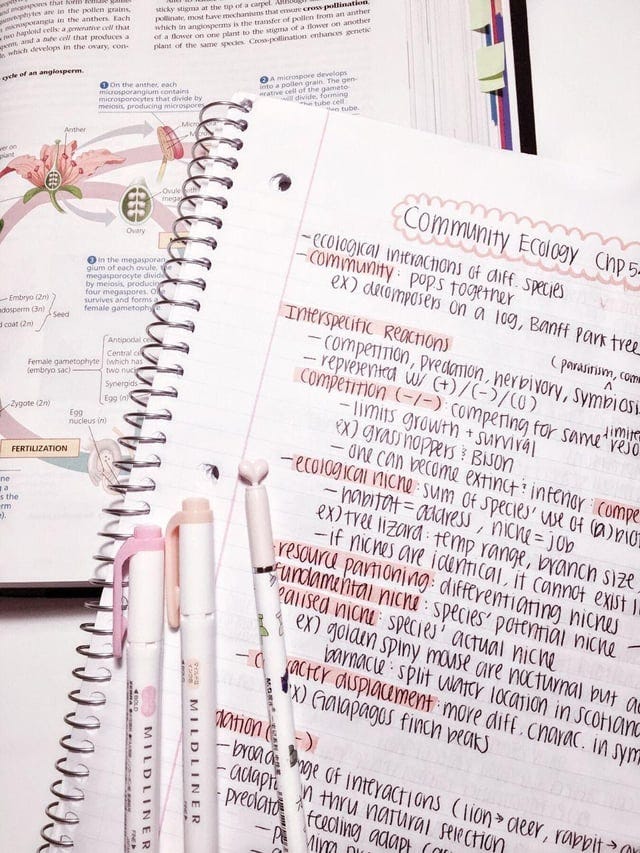
Sometimes the most useful part of reading a chapter isn’t the specific fact you were looking for. It’s the paragraph immediately before it. Or the table that explains the concept you hadn’t realised you didn’t understand. Or the connection the author makes between two apparently unrelated clinical problems.
A search engine gives you the answer you asked for but a good textbook can sometimes teach you something you didn’t know you needed to ask.
… And perhaps this matters particularly for clinicians
As clinicians, our learning doesn’t stop when we qualify. If anything, the opposite happens.
As we move into more advanced clinical roles, the breadth of knowledge we are expected to apply becomes greater.
For clinicians there is often a transition from learning individual facts towards developing clinical reasoning: understanding presentations, recognising patterns, knowing when something doesn’t fit and deciding what to do next.
That type of learning benefits from context.
And context is something that a well-written textbook can provide exceptionally well.
Why publish a physical textbook now?
This is something we’ve thought about quite a lot. Infact, it’s been a constant thought whilst writing, designing, editing and adding the final touches to our own textbook.
Publishing a physical clinical textbook in 2026 might seem slightly old-fashioned but perhaps that’s precisely why we wanted to do it.
We wanted to create something that could sit on a desk, be picked up between clinics, written in, highlighted and returned to months later. Something that isn’t another tab on a screen - there’s plenty of those - including this newsletter issue.
We wanted something designed not simply to give you an answer, but to help you work through a subject and this is despite our belief that there is a place for digital learning. In fact, much of what we do as educators is digital.
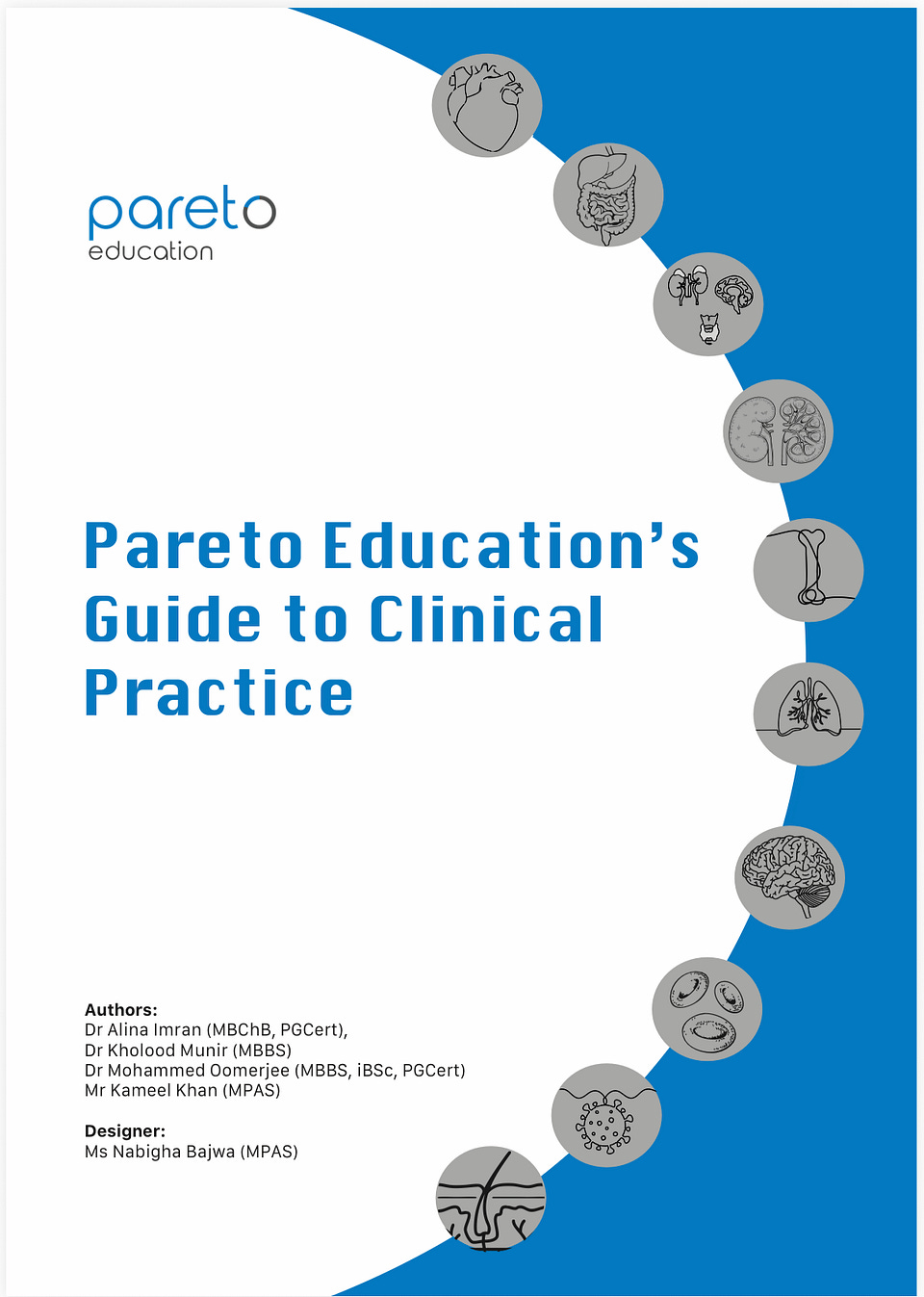
But we also think there is something valuable about having a physical resource that you can return to again and again throughout your clinical career.
Perhaps the future of clinical education isn’t physical books versus e-books.
Perhaps it’s knowing when you need each one.
Sometimes you need an answer in 30 seconds and sometimes you need to sit down, open a book and spend an hour learning something properly.
Originally published on Substack.