
Are We Seeing The Death of Evidence Based Medicine?
Our ECG Interpretation Masterclass is BACK!
It’s been an interesting week in world politics. As a healthcare newsletter, I’ll keep my personal opinions to myself but I do feel obliged to highlight the really concerning times we’re living in.
This isn’t clickbait… promise! I genuinely believe that the whole concept of evidence-based medicine is being turned upside down by the rhetoric of politicians.
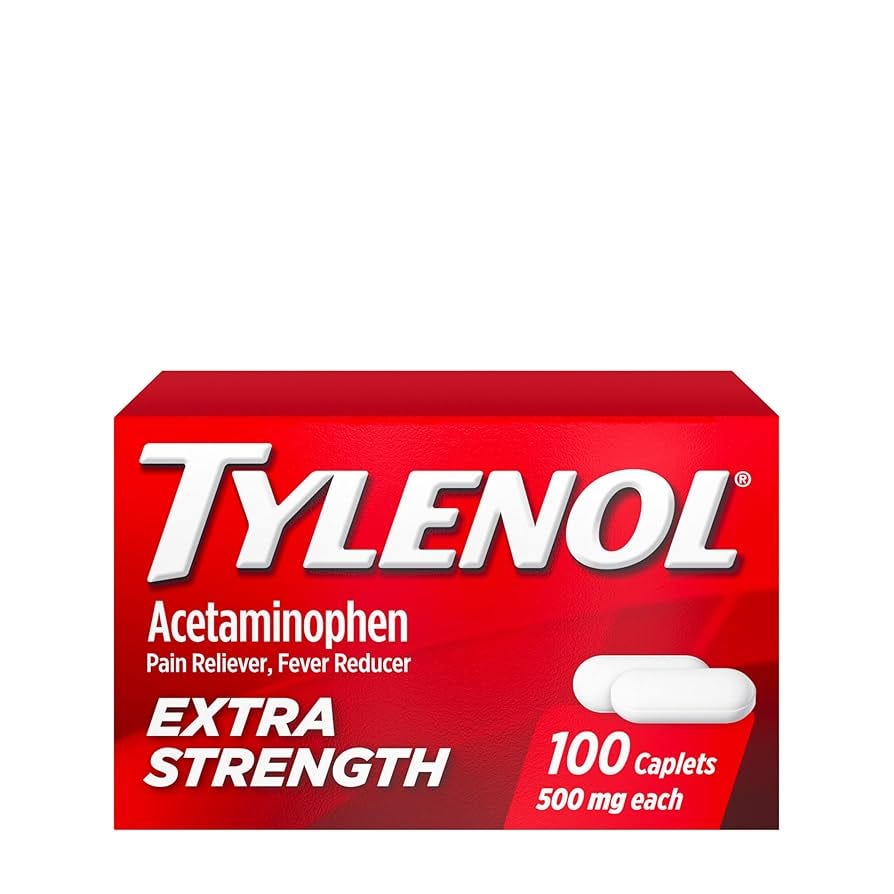
Take last week, for example. President Trump asserted that prenatal use of acetaminophen (“paracetamol”) causes autism. I even wrote a post on LinkedIn with a bit of satire about it and, unsurprisingly, received some criticism. It’s an interesting world we live in.
In response, the WHO publicly rejected the claimed link, stating that “extensive research has found no consistent evidence supporting” such an association. Other authorities also emphasised that untreated fever or pain in pregnancy can carry risks of its own and that acetaminophen remains the generally recommended analgesic and antipyretic for pregnant women when clinically indicated.
… But it didn’t stop there. President Trump went on to link the childhood vaccination schedule to autism. At a time when the political legitimacy of nations is already being questioned, such statements, made without any robust evidence, can cause significant harm.
Most political commentators have noted this growing trend of outlandish health claims since the COVID-19 pandemic. Conspiracy theories sprang to life overnight, ranging from microchips to “economic resets.” This reflected a significant distrust that the public, in many parts of the world, has toward political leaders. A distrust made worse by the poor management of the pandemic.
Evidence-based practice is a vital safeguard against government malpractice. Yet science in terms of evidence, theories, and conclusions is being discredited, and the situation is only worsening. This has been exacerbated by political decisions such as pulling funding from the WHO and actions by figures like Robert F. Kennedy Jr., who has cut funding for vaccination programs, dismissed the entire 17-member CDC team that advises on vaccines, and questioned the established childhood vaccination schedule.
Ultimately, these are political “quick wins.” Individuals who already feel disenfranchised and are questioning their governments’ legitimacy are being enticed to support certain parties. Instead of elevating public discourse and bringing the conversation back to evidence, politicians are choosing to stir the pot of conspiracy and the repercussions could be severe.
Oversimplification of science and cherry-picking data (confirmation bias) are causing the culture of science to wither away. Governments are withdrawing funding from public health institutions, and we cannot ignore the worsening scientific literacy among the general public. Social media, while powerful and accessible, lacks any robust filtering when it comes to health misinformation thereby amplifying the problem even further.
While these events are unfolding across the Atlantic, I was surprised to have two patients this week ask me whether paracetamol is safe to take. We are also seeing declining vaccine uptake as a nation, which is deeply concerning. The potential effects of such careless scientific claims include women avoiding paracetamol and risking harm to themselves or their fetus’, rising rates of preventable disease due to poor vaccine uptake, and the spread of the harmful narrative that autism is medically preventable - which can stigmatise parents and children alike.
From a public health perspective, this slippery slope could make future efforts at pandemic management or large-scale health initiatives far more difficult. Public skepticism toward governments and health agencies is deepening, leading people to reject vaccines, screenings, and proven treatments. Institutions once seen as impartial are becoming politicised, and science is turning into a matter of tribal allegiance rather than established truth. This vacuum of trust invites misinformation, unproven “miracle” cures, and extremist narratives to thrive.
It’s a difficult time to be working in healthcare. Patients will undoubtedly ask for our opinions on certain treatments or claims, and we must be open and honest in addressing misinformation. Every clinical encounter is an opportunity to correct falsehoods and reinforce evidence-based practice.
Let us know if you’ve had any challenging consultations recently where you’ve had to address conspiracy theories. We’d love to hear how you approached them.
Venous Blood Gases - A FREE video on interpretation
Once of the most useful front line tests in emergency care are VBGs. They give you an on the spot overview Hb, glucose, lactate and electrolyte levels.
We’ve decided to create a video with case examples to help explain this vital test. It’s FREE to watch so make sure you take advantage!
Guess who’s back? ECG Interpretation
Yes - you’ve heard right. Our popular ECG interpretation course is back - LIVE on 12th October OR recorded for those who can’t make it.
When I say it’s popular, there are plenty of reasons why. I (Dr Mohammed Oomerjee) will start by going through the fundamentals of ECG interpretation to help you understand exactly what we’re measuring with ECGs. We then move onto a FULL PROOF framework of interpretationwhich can easily be applied to ALL ECGs.
We then apply this on cases. We’ve carefully chosen cases - both common and complicated to help you really apply your knowledge. We’ve chosen examples from pre hospital, general practice and hospital settings
The course is for beginners and experts with something for everyone. You will also get our “ECGs made easy” book that is authored by me!

So what are you waiting for? Book now!
Website: www.paretoeducation.co.uk
Instagram: www.instagram.com/pareto_ed
Twitter: www.twitter.com/pareto_ed
Youtube: https://bit.ly/3DPm23c
Email: info@paretoeducation.co.uk
Originally published on Substack.


