
Community Pharmacy & Patient Safety: Danger Zone
60% of Pharmacy Owners have Remortgaged their House to Keep Their Doors Open...
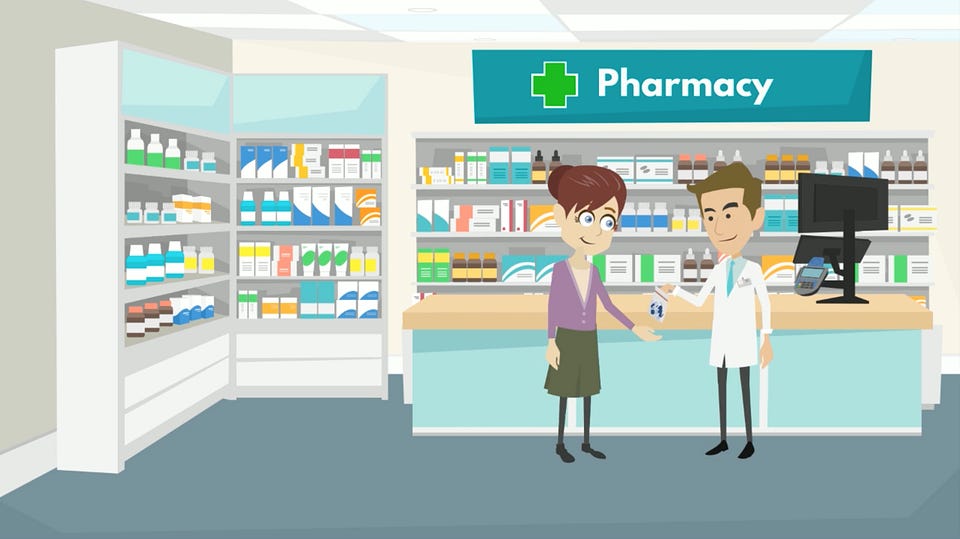
That’s the latest stat from the National Pharmacy Association who surveyed pharmacies in Wales. Whether you live in Wales or elsewhere, it is likely your local pharmacy is struggling unless it is part of a huge organisation like Boots or Lloyds.
24 hour contracts and Pharmacy First were recent attempts to resuscitate the struggling terrain of pharmacies but the stats are still concerning. The problem is on multiple levels, and whilst it is not our place as an educational company to provide a systemic diagnosis, it is important that NHS staff we are aware of our comrades in community pharmacy.
Workforce pressures: Pharmacies are operating with significant staffing shortages, while prescription volumes and clinical service demands continue to rise. Teams report high workload, burnout, and difficulty recruiting and retaining pharmacists and support staff. In some areas, pharmacies have had to reduce opening hours or close temporarily due to insufficient staff.
Financial strain: Core NHS funding has not kept pace with inflation, rising business costs, and expanding clinical responsibilities. Many pharmacies report operating at a loss, limiting their ability to invest in staff, services, and safety infrastructure. Continued underfunding is forcing difficult decisions about service provision and access.
Medicines supply and access challenges: Ongoing medicine shortages require pharmacists to spend substantial time sourcing alternatives, liaising with prescribers, and managing patient expectations. This diverts attention from clinical care and increases delays, frustration, and risk.
This is a disastrous cocktail of factors and has real repercussions for clinicians. In such circumstances morale is low, demand is high and mistakes can be made. In other words, there can be some serious patient safety implications which is always the red line in medicine. Here’s an example of a case in A&E that I assessed:
It was a Thursday afternoon and I was coming off lunch. It’s always quite surreal walking through the department, eyes on you and an atmosphere of moans, people shouting and bleeping monitors.
My next patient was a 37-year-old woman who had recently been prescribed tramadol, two tablets four times daily by her GP for acute back pain. She was anxious and sweating profusely. Something was wrong.
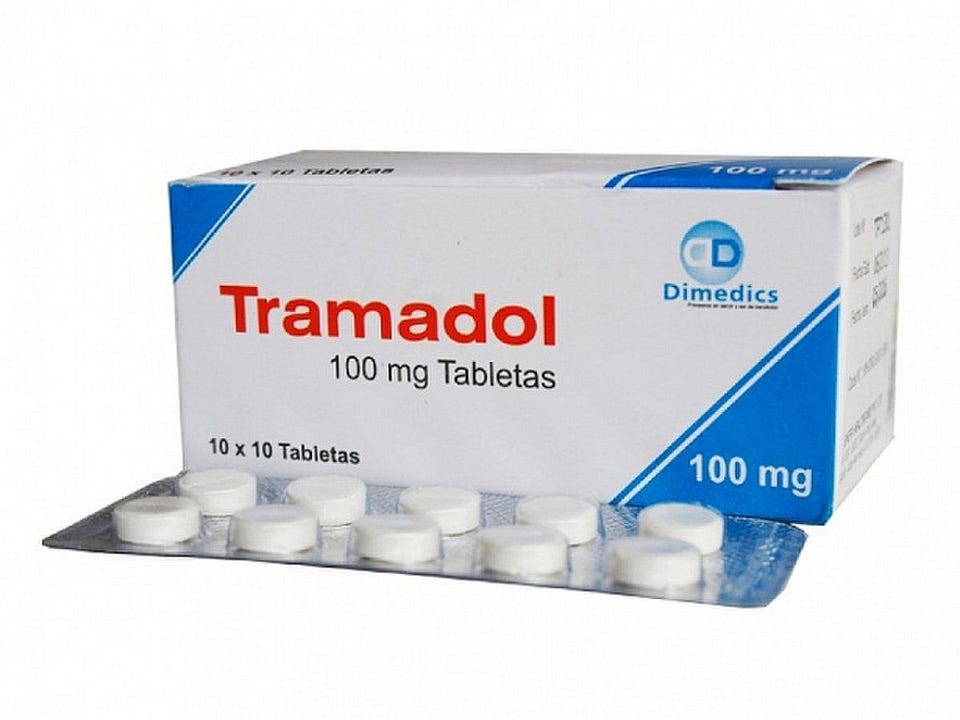
She tells me that she began taking the medication as directed but over the following two days developed marked dizziness, drowsiness and a feeling of being “not quite right.” Fortunately, she recognised something was wrong. When she checked the medication more closely, she discovered that although the box and label stated tramadol, the blister pack inside contained temazepam.
She was understandably anxious and worried about the potential consequences. She had not driven herself to hospital but had felt “sedated” at home while caring for herself.
In A&E:
- She required full clinical assessment
- Observations and ECG were performed
- We consulted TOXBASE to determine whether further monitoring or intervention was required
- She was observed and ultimately discharged once clinically stable
Thankfully, no lasting harm occurred.
But this outcome was fortunate.
Temazepam at a dose equivalent to “two tablets four times a day” represents a potentially dangerous level of benzodiazepine exposure.
The consequences could have included respiratory depression, loss of consciousness, falls, driving impairment, or accidental overdose especially if combined with alcohol or other sedatives.
This was not a minor labelling error. It was a dispensing error involving controlled drugs with significant potential for harm. It required emergency department resources, caused distress to the patient, and triggered a formal escalation process to the pharmacy for investigation.
How Can We Help as Primary and Secondary Care Clinicians?
So how is this relevant to us as practitioners? I appreciate most of the readers of Pareto Points are non-pharmacists but there are some important things we can do to help. Here is a non-exhaustive, practical list:

- Consider clinical urgency before prescribing – not every prescription needs to be issued immediately; reducing non-urgent “same-day” requests helps prevent avoidable workload spikes in already stretched pharmacies.
- Use Pharmacy First where appropriate – refer eligible minor illness presentations to community pharmacy, supporting patient access while enabling pharmacists to deliver reimbursable clinical services.
- Utilise hospital pharmacy when suitable – for inpatients or urgent discharges, consider whether medicines can be supplied directly by hospital pharmacy rather than redirecting late or complex prescriptions into the community.
- Reduce avoidable administrative burden – ensure prescriptions are legally compliant, clearly written, and complete (especially controlled drugs) to minimise clarification calls, delays, and rework.
- Optimise prescribing thoughtfully – align quantities, avoid unnecessary duplication, and consider whether medication is truly required versus advice or review, helping reduce preventable dispensing volume.
Fingers crossed that things get better for community pharmacy!
Until next time
ECG Interpretation (On Demand)
Converting our most popular course from live to on-demand was difficult… but it was the right thing to do. We know that ECG interpretation is a skill that takes time to improve. Based on feedback - clinicians wanted to take their time with the content, view it multiple times and take notes around the content. So we’ve professionally recorded the content and present to you the recorded, on-demand ECG Interpretation Masterclass.
If you sign up, you will get:
- 2.5 hours tutorial on ECG interpretation
- Worked example showing simple and complicated findings,
- Recorded access for ONE year
- CPD certificate to prove your competency
Website: www.paretoeducation.co.uk
Instagram: www.instagram.com/pareto_ed
Twitter: www.twitter.com/pareto_ed
Youtube: https://bit.ly/3DPm23c
Email: info@paretoeducation.co.uk
Originally published on Substack.


