
Female - Indigestion - ACS?!?
A recent review by the BMJ and a case to top it off..!
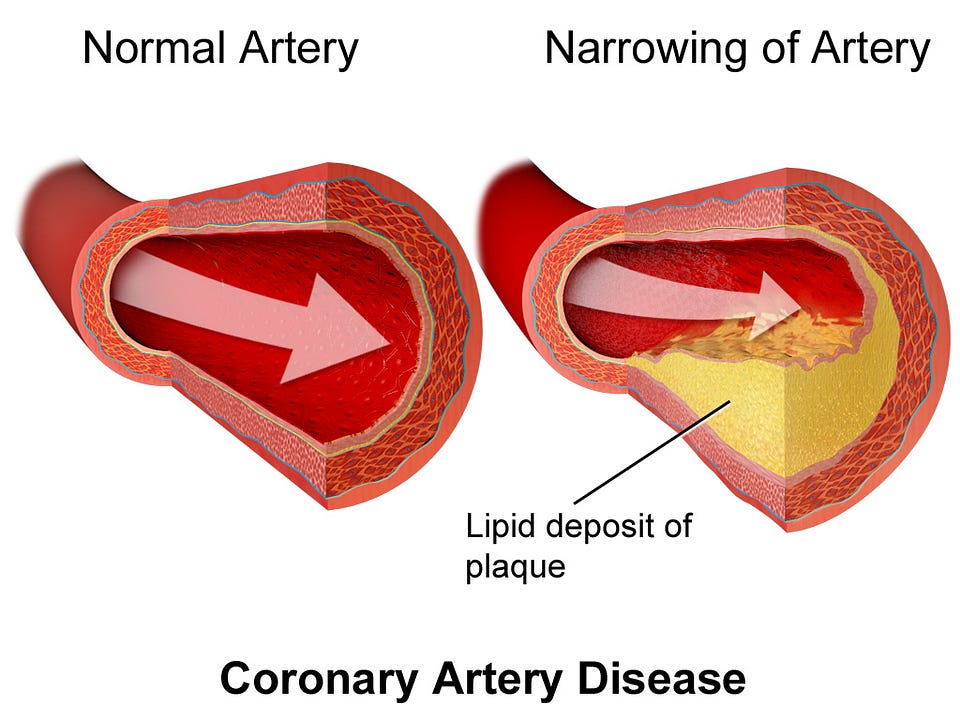
Chest pain is one of the commonest reasons for seeking urgent medical attention, but heart disease in women is still too often overlooked. For many years, our understanding of coronary artery disease has largely been based on studies involving men. We now know that women may present differently, and missing these clues can have serious consequences. This review in the BMJ takes the subject matter and really dissects it. It’s long but I’ve saved you the trouble and decided to summarise it in light of a case I recently assessed... (more to follow).
The UK Picture
Heart disease remains the leading cause of death in women in the UK. More than 800,000 women are living with coronary heart disease, and around 400,000 women are survivors of a previous heart attack. Every year, over 30,000 women are admitted to hospital with myocardial infarction, and coronary heart disease claims more female lives than breast cancer.
Despite this, many people still think of heart attacks as predominantly a “man’s problem”. Anecdotally speaking, the typical left sided chest pain, clammy appearance and severe discomfort is seen much more often in men. Therefore, it’s important to think... Are we missing ACS in women?
Why Is This Important?
Women certainly can present with the classic central crushing chest pain. However, they are also more likely to experience symptoms that are less obvious, including:
• Breathlessness • Fatigue or unusual tiredness • Nausea or vomiting • Indigestion or upper abdominal discomfort • Jaw, neck or back pain • Dizziness or palpitations
This variation in presentation can lead to delays in recognition and treatment. Conditions such as microvascular angina, coronary vasospasm, spontaneous coronary artery dissection (SCAD), and myocardial infarction with non-obstructive coronary arteries (MINOCA) are also seen more commonly in women.
A Case from the Emergency Department
A woman in her late 50s attended A&E complaining of feeling generally unwell. She had experienced nausea and vague upper abdominal discomfort throughout the day. She denied chest pain and thought she may have picked up a stomach bug. Her family had noticed she looked unusually pale.
Routine blood tests at triage, including FBC, U&Es and amylase, were all normal. Given the predominance of gastrointestinal symptoms, an abdominal cause was initially suspected and she was triaged as such. That’s when she reached me - in the A&E “green zone” where patients were ambulatory and relatively well (BIG mistake)

I called her name and immediately spotted that she looked unwell. She was pale and clammy, and something just didn’t feel right. I requested an ECG and it showed new T-wave inversion. High-sensitivity troponin was subsequently requested and came back elevated.
She wasn’t suffering from gastroenteritis.
She was having an acute myocardial infarction.
Cases like this remind us that not every heart attack begins with crushing chest pain. Sometimes the clues are subtle, and maintaining a low threshold for performing an ECG can be lifesaving.
What Does the Latest BMJ Review Tell Us?
A recent BMJ review on chest pain in women highlights several key messages:
- Women should not be considered low risk simply because they are female.
- Typical angina symptoms are common, but atypical symptoms are also frequent and should not lower suspicion.
- Female-specific risk factors, including hypertensive disorders of pregnancy, gestational diabetes, premature menopause and autoimmune disease, deserve attention.
- Sex-specific troponin thresholds improve diagnostic accuracy. We’ll have to write a separate article on this.
- Conditions such as SCAD, MINOCA and coronary microvascular dysfunction are more common in women and may require a different approach to investigation and management.
- Women continue to experience delays in diagnosis and are less likely to receive guideline-directed therapies compared with men.
Take Home Message
Heart disease is not just a man’s disease.
Women may present differently, and sometimes the symptoms are vague. Nausea, abdominal discomfort, unexplained breathlessness or simply “looking unwell” should prompt us to think broadly.
Perhaps the most important lesson is this: if something doesn’t fit, do the ECG.
That simple test may reveal the diagnosis that changes everything.
CPD Chronic Disease Update
If you spend a large part of your day managing asthma, diabetes, hypertension or multimorbidity, our Chronic Diseases Masterclass is designed with you in mind. This practical, one-day online course brings together the latest evidence, guideline updates and real-world case discussions to help clinicians manage the conditions that account for much of modern healthcare. We’ll cover everything from asthma and COPD to CKD, heart failure and severe mental illness, alongside the new NG28 diabetes guidance and the challenges of polypharmacy and multimorbidity.
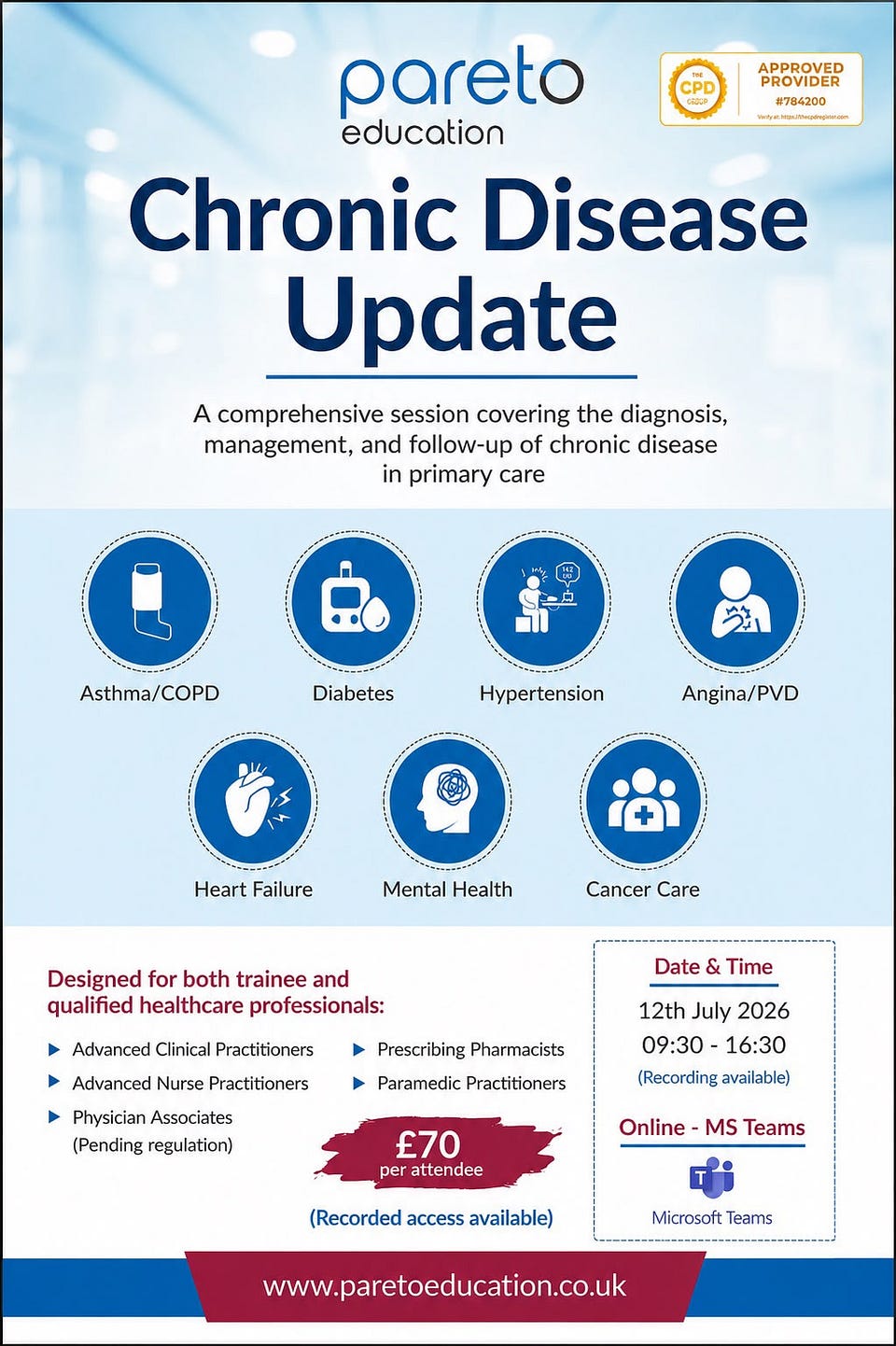
Whether you’re looking to refresh your knowledge or build confidence managing increasingly complex patients, this CPD-accredited masterclass will provide plenty of practical pearls that you can apply in clinic the very next day. A recording is included, so you can revisit the content whenever you need.
Headache Assessment & Migraine: Recognise Red Flags & Manage with Confidence
Headaches are something we all see regularly, but knowing when it’s “just a migraine” and when it’s something far more serious can be difficult. In this practical CPD session, we take a structured approach to one of the commonest presentations in primary and urgent care, covering headache assessment, migraine diagnosis, red flags, acute treatment, prophylaxis and when to escalate or refer urgently.
Designed for clinicians and students across the MDT, this video aims to simplify a sometimes daunting topic and provide a clear, evidence-based framework that you can apply immediately in everyday practice.
Until next time…
Originally published on Substack.


