
Five Chronic Disease Updates That Are Quietly Changing Primary Care
Why chronic disease reviews are becoming more complex and what every primary care clinician needs to know in 2026!
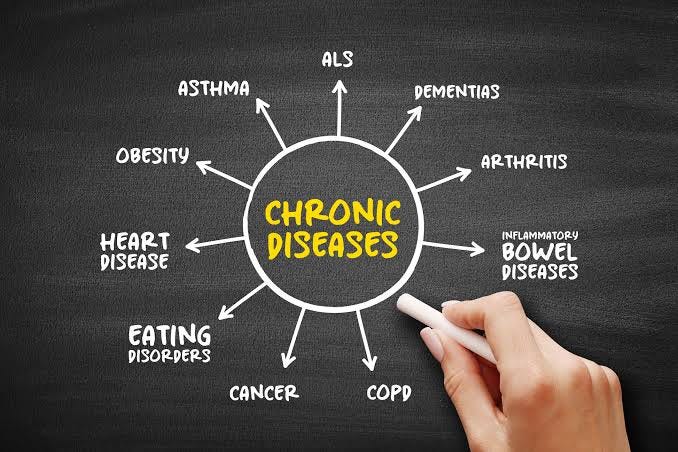
If there’s one area of general practice that has evolved more than almost any other over the past 12 months, it’s chronic disease management.
With increased funding, evolving QOF priorities and growing expectations from both commissioners and secondary care, chronic disease reviews are no longer simple “tick-box” exercises.
Today’s clinicians are expected to recognise complex disease overlap, deliver evidence-based prevention, personalise treatment decisions and confidently navigate rapidly changing guidance. It was already tough… and it’s only getting tougher!
Here are five key changes shaping chronic disease management in primary care.
1. Chronic disease overlap is now the norm
Patients rarely present with a single condition anymore.
The traditional asthma review has become an assessment for possible COPD overlap. A diabetes review may uncover previously unrecognised heart failure. Chronic kidney disease frequently co-exists with hypertension, cardiovascular disease and diabetes.
Modern templates within EMIS and SystmOne increasingly reflect this reality, prompting clinicians to think across organ systems rather than individual diseases.
The challenge is no longer simply completing the template, it’s asking the right questions, recognising overlapping pathology and ensuring nothing important is missed. Advice and guidance has becoming embedded in such reviews and escalation needs to be decided on early.
2. Prevention is driving clinical decision-making
Primary prevention has moved from being an aspiration to an expectation.
At our recent Prescribing Conference, cardiologist Dr Mushtaq highlighted the importance of identifying patients with elevated QRISK scores earlier and intervening before cardiovascular disease develops.
The same philosophy now extends into secondary prevention.

Renal teams continue to encourage earlier use of ACE inhibitors and SGLT2 inhibitors in appropriate patients with chronic kidney disease, recognising that delaying treatment often means missing the opportunity to preserve renal and cardiovascular health.
The emphasis has shifted from treating disease to preventing progression.
3. Type 2 diabetes has become far more than an HbA1c review
Perhaps no condition has changed as dramatically as Type 2 diabetes.
Clinicians are increasingly encouraged to move beyond simply chasing HbA1c targets and instead consider the wider cardio–metabolic–renal picture.
Choosing therapy now means balancing cardiovascular risk, kidney protection, weight management, frailty, patient preferences and long-term outcomes.
SGLT2 inhibitors and GLP-1 receptor agonists have transformed diabetes management but with greater choice comes greater complexity.
Many patients remain understandably hesitant about newer therapies, making consultation skills and shared decision-making just as important as understanding the prescribing algorithms themselves.
4. Asthma management continues to evolve
While MART therapy represented one of the biggest recent updates in asthma care, the wider landscape continues to change.
We’re seeing increasing numbers of adults receiving a first diagnosis of asthma later in life, while access to spirometry remains limited in many areas.
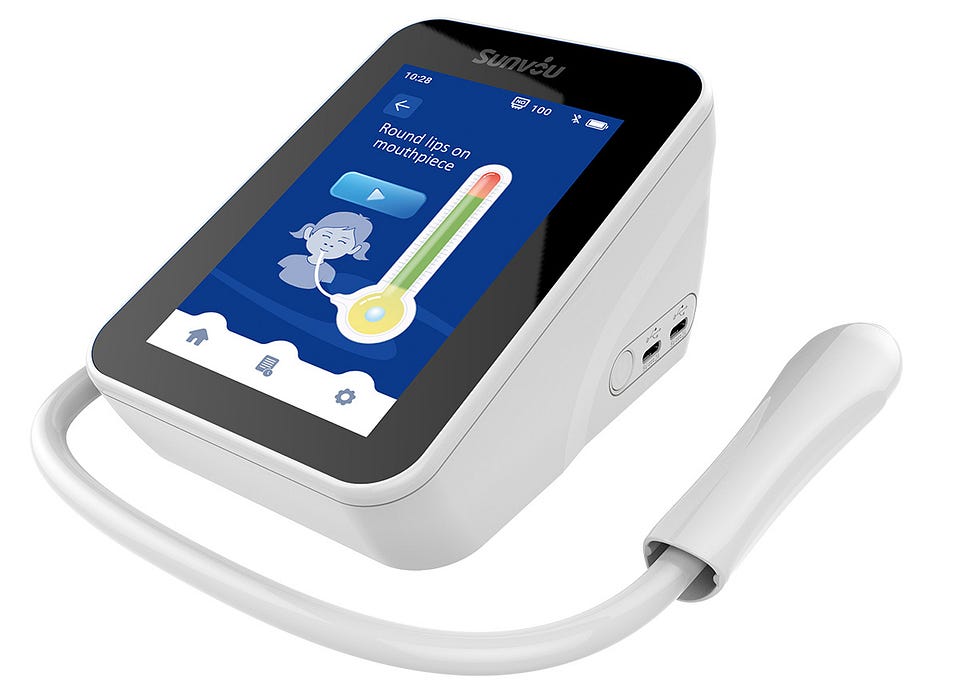
As a result, FeNO testing is becoming increasingly important in supporting diagnosis and guiding management.
Treatment decisions also extend well beyond selecting an inhaler.
Clinicians have to consider frailty, inhaler technique, comorbidities, personalised asthma action plans and the cumulative impact of repeated oral corticosteroid courses including long-term risks such as osteoporosis.
Asthma reviews have become considerably more sophisticated than simply assessing symptom control…
There’s so much more!
5. Caring for our most vulnerable patients remains a priority
Patients living with severe mental illness and learning disabilities continue to experience some of the greatest health inequalities within primary care.
Annual reviews are far more than administrative requirements—they represent valuable opportunities to identify unmet physical health needs, optimise medication, review cardiovascular risk, ensure appropriate cancer screening and improve access to preventative healthcare.
Delivering truly holistic care requires clinicians to look beyond individual disease indicators and recognise the wider barriers these patients often face when accessing healthcare.
For many patients, these reviews can make a profound difference to both quality of life and long-term outcomes.
Develop confidence in modern chronic disease management
Keeping up with these changes can be challenging—but it doesn’t have to be.
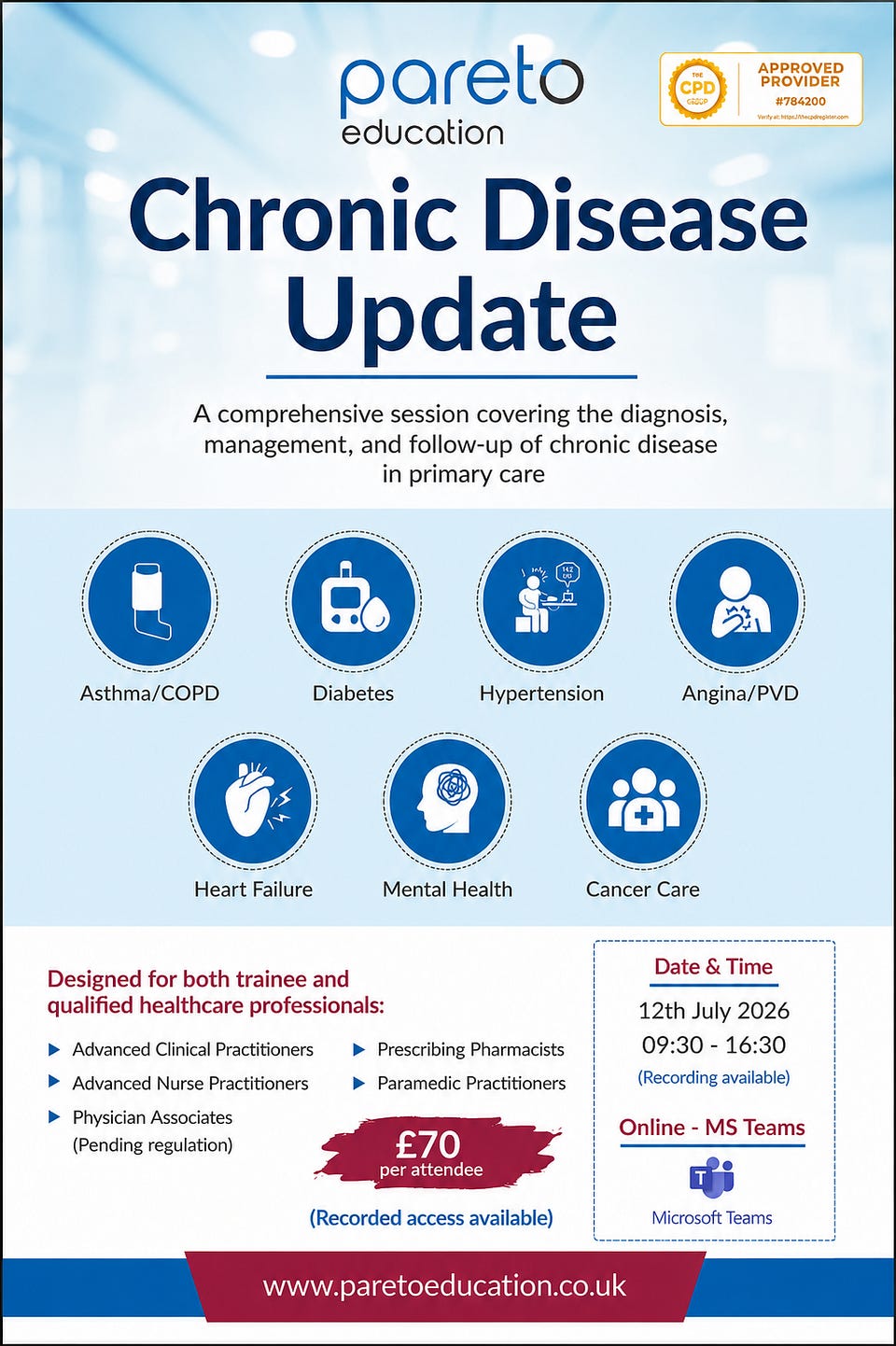
Join us for our Chronic Disease Masterclass on Sunday 12th July (09:00–16:00), where we’ll explore the latest evidence, practical consultation techniques and real-world case discussions across the major chronic diseases encountered in primary care.
You’ll learn:
- Managing patients with multiple chronic conditions
- Practical approaches to complex chronic disease reviews
- Diabetes beyond HbA1c
- Modern asthma management and respiratory overlap
- Cardiovascular and renal prevention strategies
- Frailty, severe mental illness and holistic care
- Time-saving clinical pearls you can apply immediately in practice
Delivered by: Dr Mohammed Oomerjee (General Practitioner)
Included with the course:
- 6 externally accredited CPD points
- Full course recording for future viewing
- Practical, guideline-based teaching
- Immediate clinical tips you can implement in practice
The future of chronic disease management is no longer about treating one condition at a time. It’s about recognising complexity, preventing progression and delivering truly patient-centred care.
We look forward to welcoming you on Sunday 12th July. [You can sign up here](https://www.paretoeducation.co.uk/service-page/cpd-chronic-disease-update-1?referral=service_list_widget)
Originally published on Substack.


