
From Tea Bags to Tissues: Microplastics and Health
Summer, Skin and CPD

first came across microplastics not in a toxicology lecture, but while sitting in on a talk about climate change and tea. As a tea enthusiast where black tea, green tea, white tea come with unique rituals, I had attended expecting a conversation about flavour, harvests and provenance.
The talk focused on the effects of climate change on tea plantations in Kenya. Much of the tea we drink in the UK comes from plantations across Africa and India, and climate change is already reshaping growing conditions; rainfall, heat, soil quality, pests, yields, livelihoods and ultimately what reaches our cups.
Then the discussion turned to something unexpectedly contentious in the tea world: microplastics in tea bags. For many tea drinkers, the tea bag is invisible infrastructure as it is convenient, familiar, almost reassuring. Yet some modern tea bags use plastic polymers, including nylon, PET or polypropylene, to seal or structure the bag. The idea that a comforting cup of tea could be a source of microscopic plastic particles has become a surprisingly emotive topic in enthusiast forums.
That is where this newsletter begins: with tea, climate, consumer concern and a broader question now entering clinics and consultations. Patients are increasingly asking: are microplastics harming my health, and what should I do? I thought I’d look into this a little bit and here’s what I found.
What are microplastics?
Microplastics are usually defined as plastic particles smaller than 5 mm. Nanoplastics are smaller still, often discussed as particles below 1 micrometre, although definitions vary across studies and regulators.
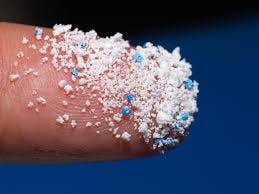
They come from two broad sources:
- Primary microplastics: deliberately manufactured small particles, such as industrial abrasives or historically used in cosmetics.
- Secondary microplastics: fragments formed as larger plastic items break down through heat, light, friction, washing, weathering and wear.
Common polymers include polyethylene, polypropylene, polystyrene, polyethylene terephthalate, polyvinyl chloride and nylon. These particles may also carry additives, pigments, stabilisers, flame retardants, plasticisers and environmental contaminants that adsorb to their surface.
For patients, the key point is simple: microplastics are not one substance. They vary by size, shape, polymer, chemical additives, surface properties and exposure route. This makes health-risk assessment difficult and thus, our advice difficulty to portray.
How are people exposed?
Microplastics are now detected in air, dust, soil, water, food and packaging. Likely exposure routes can include:
- Ingestion: drinking water, bottled water, food, food packaging, seafood, salt and beverages.
- Inhalation: indoor dust, synthetic textiles, carpets, furnishings and urban air.
- Medical and occupational exposure: less common for most patients, but relevant in some settings.
Tea entered the debate after laboratory work reported that some plastic tea bags released large numbers of micro- and nanoplastic particles when steeped in hot water. It is important to be precise here: this does not mean every tea bag behaves the same way. Paper tea bags, plastic mesh bags, heat-sealed bags and “biodegradable” polymer-containing bags may differ substantially. The controversy is also methodological: measuring micro- and nanoplastics is technically challenging, and reported particle counts can vary depending on methods.
It’s not straightforward…
So.. what are the proposed health impacts?
What are the proposed health impacts?
The proposed mechanisms fall into four overlapping categories.
1. Physical particle effects
Particles may interact with tissues at barrier surfaces such as the gut and lungs. Smaller particles may have greater potential to cross biological barriers. Laboratory and animal studies suggest possible links with inflammation, oxidative stress, epithelial barrier disruption and immune activation.
2. Chemical effects
Plastics can contain additives such as bisphenols, phthalates, flame retardants, stabilisers and pigments. Some are known or suspected endocrine disruptors. Microplastics may also carry environmental pollutants, although the extent to which this meaningfully increases human exposure compared with other routes remains uncertain.
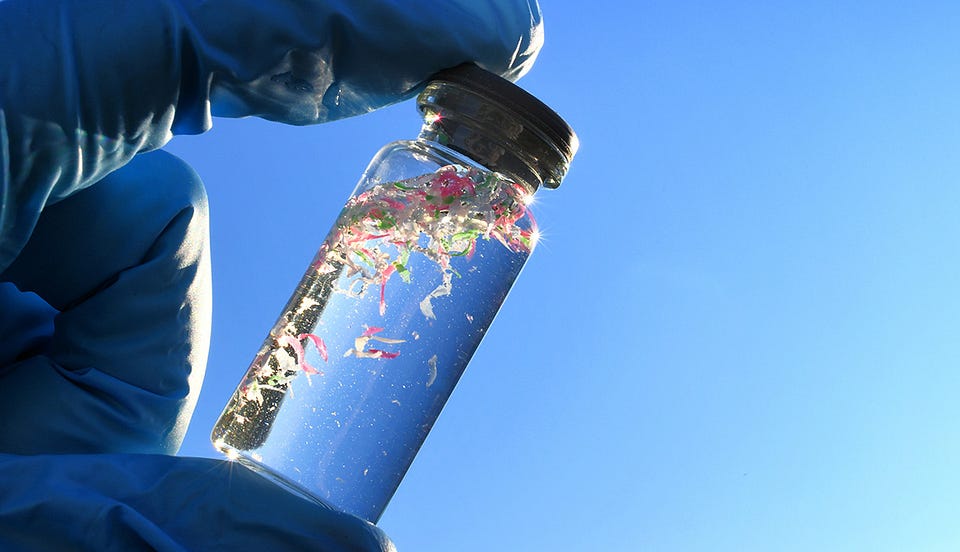
3. Microbiological effects
Microplastics can support biofilms, sometimes called the “plastisphere”. In theory, they could act as surfaces for microbes. The clinical relevance for typical population exposure remains unclear.
4. Systemic distribution
Microplastics and nanoplastics have been detected in human samples including stool, blood, lung tissue, placenta and vascular plaque. Detection does not automatically prove harm, but it shifts the question from “can exposure occur?” to “what does exposure mean biologically and clinically?”
What does the evidence show?
The evidence base is growing quickly but remains uneven. So I’ve looked into this for a little while and have split this into four levels. Let’s proceed…
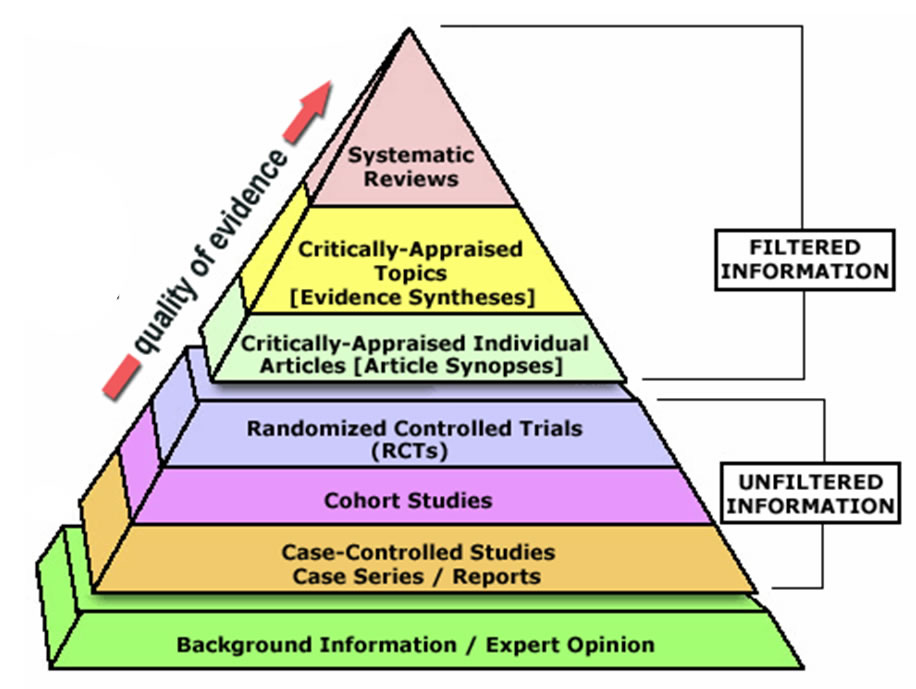
Level 1: Environmental and exposure evidence — strong
Microplastics are widespread in the environment and in human exposure pathways. Drinking water, bottled water, food packaging, indoor dust and air are all plausible sources. This is now well established.
Level 2: Human detection evidence — growing
Peer-reviewed studies have reported plastic particles in human blood, lung tissue and placenta. These studies are important because they demonstrate internal exposure. However, exposure does not equal harm.
In addition, many studies have small sample sizes, differing laboratory methods and unresolved contamination-control issues. If you’re interested you can read:
- Leslie et al., Environment International, 2022
- Jenner et al., Science of the Total Environment, 2022
- Ragusa et al., Environment International, 2021
- Roslan et al., 2024 scoping review
Level 3: Mechanistic evidence — plausible but not definitive
Cell and animal studies suggest microplastics and nanoplastics may contribute to oxidative stress, inflammation, immune effects, endocrine disruption, gut-barrier changes, reproductive effects and respiratory injury. These findings are biologically plausible, but doses, particle types and exposure conditions may not map neatly onto everyday human exposure.
Level 4: Clinical outcome evidence — emerging and limited
The most clinically striking recent evidence is the 2024 New England Journal of Medicine study by Marfella and colleagues, which found microplastics and nanoplastics in carotid atheroma samples and reported an association with higher risk of myocardial infarction, stroke or death over follow-up. This is important, but it is observational: it cannot prove that the particles caused the events.
Systematic reviews now increasingly describe microplastic exposure as a suspected risk factor for respiratory, digestive and reproductive harms. The word “suspected” matters. It reflects concern and biological plausibility, not the same standard of evidence we would require for a new diagnostic or therapeutic recommendation.
What should we say to patients?
A useful NHS-facing message is: be honest, proportionate and practical.
1. Validate the concern
Patients are not wrong to ask. Microplastics are widespread, and human exposure is real. It is reasonable to want to reduce unnecessary exposure, especially for children, pregnancy, respiratory disease and people already concerned about environmental health.
2. Avoid overstating certainty
We should not say that microplastics are proven to cause specific diseases in individual patients. Current evidence suggests possible risks through inflammation, oxidative stress, endocrine effects and vascular or respiratory pathways, but definitive causal links in humans remain limited.
3. Put risk in context
For most patients, microplastics should not displace higher-impact health advice: smoking cessation, vaccination, healthy diet, physical activity, sleep, safe housing, air quality, occupational protection and management of blood pressure, lipids and diabetes. Microplastic exposure reduction can sit alongside these, not replace them.
4. Be careful with pregnancy and children
For pregnant patients and parents, a balanced message is best: microplastics have been detected in placental tissue, but the health consequences are uncertain. Reducing avoidable plastic contact with hot food and drink is sensible, but anxiety and guilt are not helpful.
5. Recognise environmental co-benefits
The strongest public-health case may be upstream. Reducing plastic production, unnecessary packaging and environmental contamination benefits ecosystems, climate and population health. Individual behaviour helps, but regulation, procurement and industry standards matter more.
So I hope that’s been a useful insight into microplastics. Let us know your thoughts and any interesting interactions you’ve had with patients.
Until next time…
FREE CPD - Identifying and Managing Delirium
Delirium is one of the most common yet under-recognised complications in hospitalised patients… especially older adults. Affecting up to 1 in 4 patients, it is often the first sign of serious underlying illness and requires urgent recognition and management.
Whether you’re a student or a qualified clinician, this video will teach you the key principles of managing this under-recognised disease state in the elderly. It covers,
- How to recognise delirium (acute confusion, fluctuating symptoms)
- Identifying changes from baseline cognition
- Using the 4AT assessment tool in practice
- Common causes using the PINCH ME mnemonic
- Differences between hyperactive, hypoactive & mixed delirium
- Practical management (non-pharmacological first-line)
- When to consider medication and what to avoid
- Long-term complications and discharge planning
Oh.. and be sure to like, subscribe and share whilst you’re there!
Sun’s out… Suncreens Out and So are Dermatological Lesions
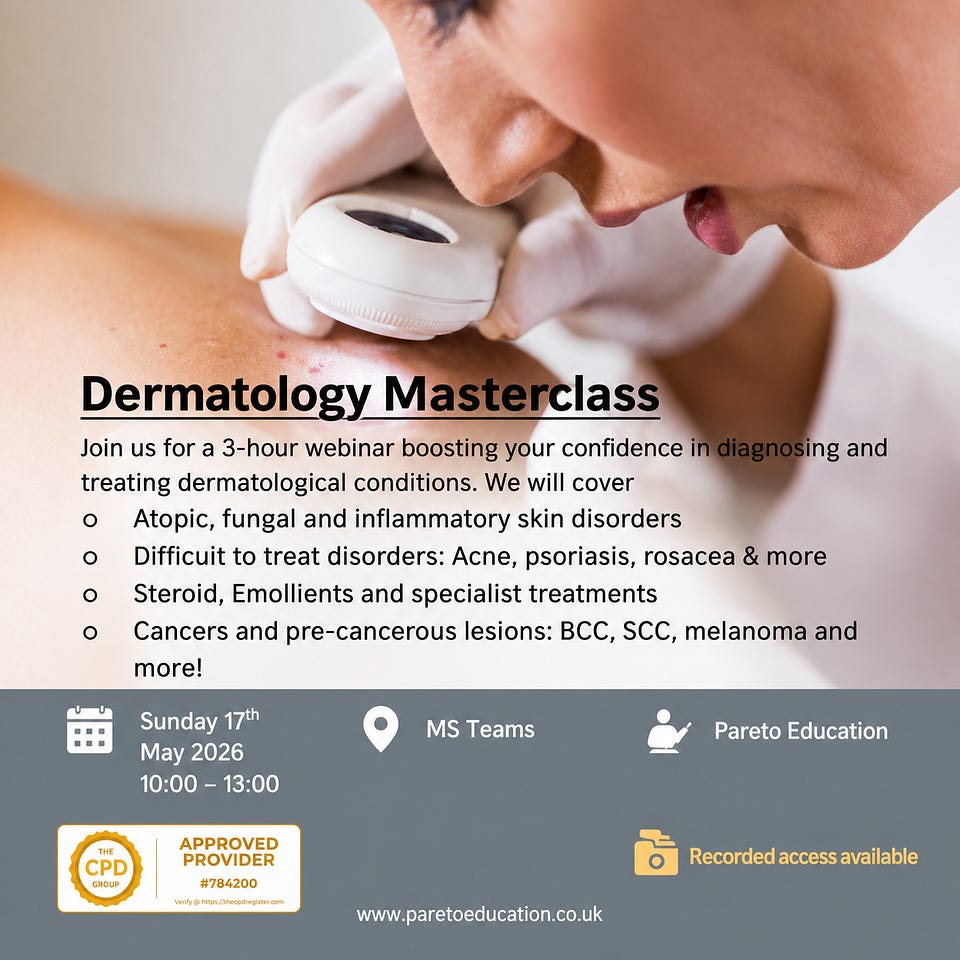
Okay.. cheesy heading. I understand. But have you heard about our upcoming dermatology masterclass? It is one of our most popular masterclass’ and it’s back on your screens in a few weeks time.
Join us for 3-hour course boosting your confidence in diagnosing and treating dermatological conditions. This course will provide examples of skin lesions on people of varying skin colours.
We will cover:
- Atopic, fungal and inflammatory skin disorders
- Difficult to treat disorders: Acne, psoriasis, rosacea & more
- Steroid, Emollients and specialist treatments
- Cancers and pre-cancerous lesions: BCC, SCC, melanoma and more!
As part of this course you will receive
- Live session
- Recording for future access
- CPD accredited certificate.
Originally published on Substack.


