
Global Health Will NEVER Be The Same
We've Been Busy Writing (...E-books)
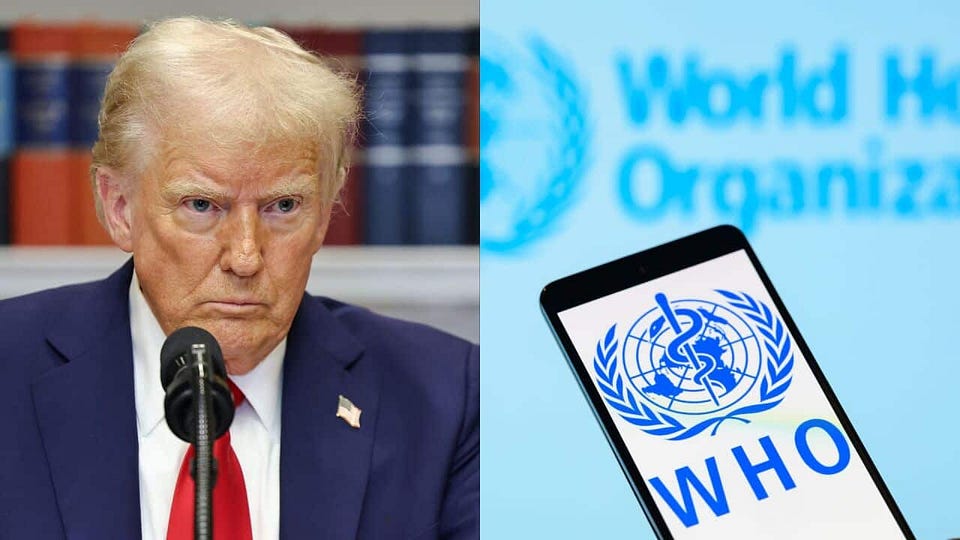
Donald J. Trump has returned to the Oval Office, bringing back his distinctive style of politics. Trump embodies a bold, populist narrative that has resonated with many Americans and others worldwide. His “America First” rhetoric has led him to scrutinize and challenge several international institutions, including the IMF, NATO, and, most recently, the WHO.
The COVID-19 pandemic occurred during Trump’s previous presidency, and he attributes the significant number of U.S. deaths to failures by the WHO. Recently, the CIA has supported the “lab leak” hypothesis, suggesting that the virus may have originated from a laboratory in Wuhan, China. Trump blames the WHO for allegedly shielding China and failing to support his claims that the spread of the virus was due to China’s actions.
Upon taking office, Trump announced several changes, one of which was initiating the formal withdrawal of the United States from the WHO—a process that typically takes 24 months.
Currently, the United States contributes $1.284 billion annually to the World Health Organization, making it the organization’s largest donor. Beyond financial support, the U.S. provides scientific expertise, access to critical data, and logistical assistance for cross-border disease prevention. However, the U.S. government believes that the WHO lacks sufficient transparency—both financial and political, particularly in its dealings with China. Until these concerns are addressed, Trump argues that the U.S. contribution would be better allocated to domestic priorities.
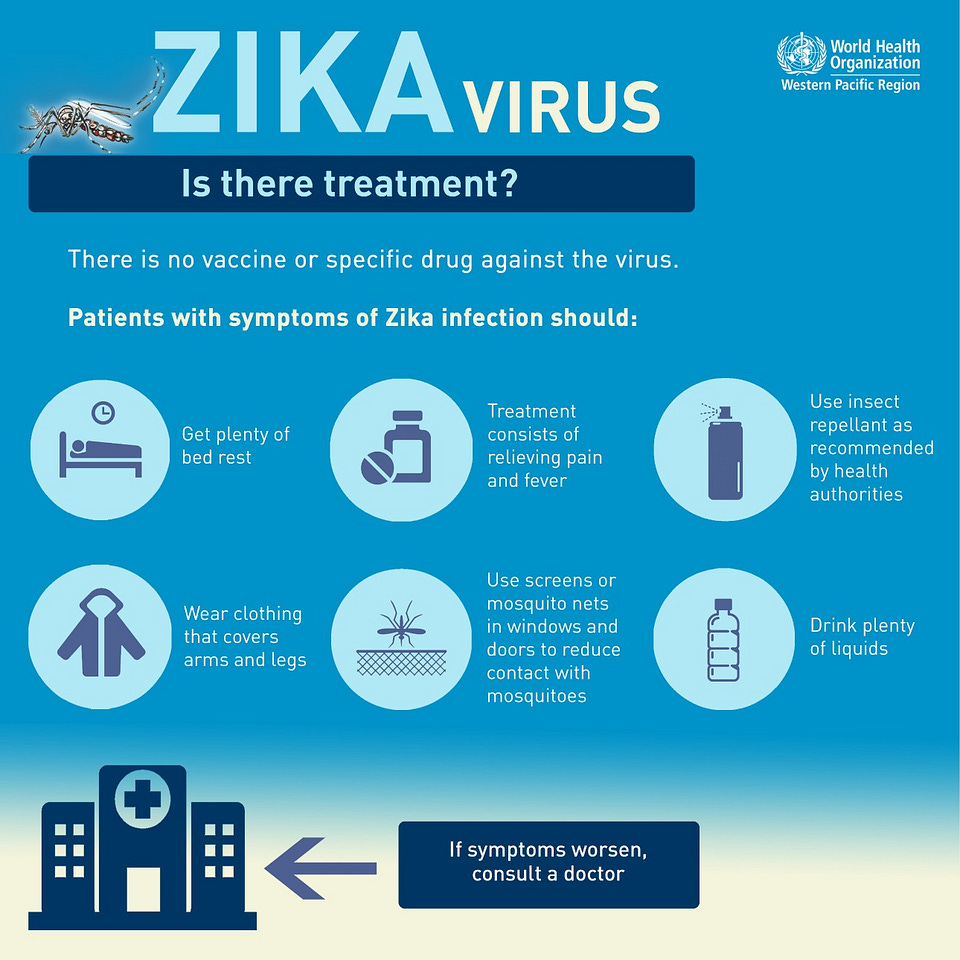
In addition to leading the global response to the COVID-19 pandemic, the WHO has been involved in several remarkable projects. In 2020, it announced the eradication of polio in Africa, a milestone achieved through its extensive vaccination programs. The WHO continues to combat the growing threat of antibiotic resistance by maintaining a global surveillance system and has also tackled other significant health crises, including the Zika and Monkeypox outbreaks.
These achievements rely heavily on both funding and international collaboration, both of which are jeopardized by the withdrawal of the United States. While the WHO also receives voluntary contributions from other donors, countries such as the UK have indicated plans to reduce their funding. This is likely due to economic constraints, but there is concern that Trump’s political narrative could influence other nations, leading to a broader push to withdraw funding from international institutions like the WHO.
Undoubtedly, the WHO will continue to function and likely approach other countries such as those in the Gulf or the BRICS nation for funding. It will also strengthen its link with research institutes in the USA to continue to obtain access to vital data but none of these methods can replace the direct link it had with the USA. Now the US has also suggested it will rejoin but has made this contingent on the WHO reforming. It wants to strip the WHO of private donors (for instance, the Bill & Melinda Gates Foundation is the third largest donor), create a greater sense of financial accountability and produce a system where member states are forced to share healthcare data to as to mobilise quicker responses to potential pandemics.
COVID19 was a shock to the global system but also demonstrated how an internationally, orchestrated response which ranged from protocols, treatment options and vaccination can potentially limit the spread of disease. Currently, brash political decisions are being made without counselling scientific experts and to think that the WHO will be severely weakened is very scary.
The outcome of this chapter is yet to be seen…
How’s Your Cardiology?
Cardiology is getting more complicated with the rise in diagnostic tests, investigations and volume. Whether you’re in primary or secondary care, cardiovascular conditions constitute some of the most complicated issues and having a framework to deal with them is vital. This is why we have invited a cardiology registrar to provide CPD training on this important system. He will cover:
- Hypertension: Diagnosis, treatment and tricky scenarios. Updated guidance concerning secondary hypertension.
- Angina management including referral to RACPC
- ACS management and guidelines
- Genetic heart conditions - screening and referral in primary care.
- Heart failure: Investigation and referral
- ECG abnormalities including arrhythmias (AF), ectopics, 24 hour tapes and more

As part of this course you will receive a recording to watch again as well as 3 CPD points. You can sign up here.
Looking For Something To Read?
I love to write which is why I write this newsletter every week. As well as this newsletter I like to connect with other professionals to help write useful materials for clinicians far and beyond. It is why I want to make special mention of some brand-new e books we have written:
- Haematology Blood Interpretation (£4.99): Interpreting full blood count is bread and butter of clinical practice and we’ve made it incredibly easy with this e book. This e book covers topics such as anaemia, white cell count disorders, coagulation disorders and more. It is your perfect companion when filing those pesky bloods!
MSK Made Easy (£7.99):
- MSK is hard and it’s taken years of clinical learning, book work and examination practice for me to finally get my head around it. This e-book, written over Christmas (sad) takes the core subject matters in MSK and simplifies them. It starts with how to take an MSK history and covers pathology related to every muscle group in the human body. Packed with summary tables and key points, it will give you excellent grounding with MSK disorders.
You can find both e books here
Website: www.paretoeducation.co.uk
Instagram: www.instagram.com/pareto_ed
Twitter: www.twitter.com/pareto_ed
Youtube: https://bit.ly/3DPm23c
Email: info@paretoeducation.co.uk
Originally published on Substack.


