
Health Inequalities
Travelling communities, public health and our role as clinicians
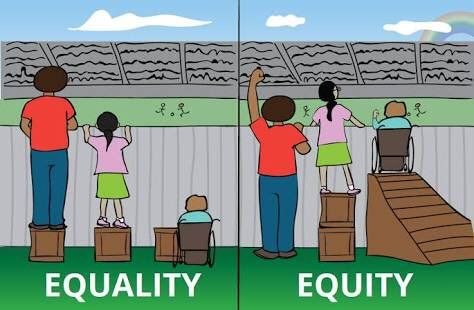
Access to healthcare is something that we as clinical practitioners certainly believe in. Despite its challenges, the NHS is pretty awesome at ensuring equal healthcare access but only contributes a small percentage in dealing with ill-health and health outcomes. In other words - ensuring positive health outcomes is often beyond the health service.
I met a patient the other day. He was on his way back from Doncaster after purchasing a suit for his wedding next week. As he was travelling he felt a funny sensation on the right side of his face and developed a facial droop. He came to A&E immediately, worried that he might have had a stroke. I assessed him and told him that he didn’t have a stroke but a Bell’s Palsy and it was likely that his face will look the same for the next few weeks. If you’re wondering what the difference is between these two conditions, check out our video here.
After the initial upset of having a Bell’s palsy we had a good chat. His English was broken but most of our discussion was about health. He was from the Roma/Gypsy population and had travelled a long way with his family. The city I work is host to the 4th largest Roma/Gypsy population in the UK. He had a number of complaints - primarily about access to healthcare. After doing some wider reading, it seems that he wasn’t alone in his greivances.
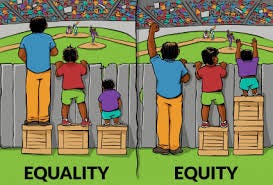
We often talk about health inequalities but the subject of inequity is perhaps more important. The first refers to the unfair differences in health across the population whilst the second refers to the unequal distribution of health resources between population groups. Here are some key facts from my [reading](https://www.gypsy-traveller.org/wp-content/uploads/2022/11/Briefing_Health-inequalities-experienced-by-Gypsies-and-Travellers-in-England.pdf):
- Romany and Traveller people face life expectancies between 10 and 25 years shorter than the general population.
- Romany and Traveller people experience significantly higher prevalence of long-term illness, health problems or disabilities, which limit daily activities or work.
- Suicide prevalence is six times higher for Traveller women than women in the general population, and seven times higher for Traveller men.
Like with most ethnic groups, the Traveller population have their on specific health beliefs. However, they were subject to severe oppression during WW2 so their often misunderstood distrust of government is not something random. There are lots of issues here that has contributed to such outcomes. I’ve tried to summarise them below:
- The lack of recognition as Travellers as a separate ethnic group (hence not having a unique approach to their health).
- Issues of clean water access in the areas they have settled in.
- Lack of access to IT services via NHS digital.
- As these communities often lack a permanent address, primary care services have struggled to register them appropriately.
So what can we do?
Public health is a responsibility for all clinicians in the NHS. This is of course within limits as unfortunately, I am certainly not somebody that can make high level governmental decisions. However, I do believe that we can affect change within our spheres of influence:
- Encourage your practice to assist patients in registering. A fixed address is no longer required for registration at a GP practice.
- Ask patients if they have sufficient access to the practice including contact details and the ability to receive results and updates via the NHS app.
- Ask explicitly about any problems or mental health issues patients might be facing.
- Signpost patients to additional services including adult social care, local council and utilities services to help improve your patients living standards.Please like & share:Check us out on our various pagesWebsite: www.paretoeducation.co.ukInstagram: www.instagram.com/pareto_edTwitter: www.twitter.com/pareto_edYoutube: https://bit.ly/3DPm23cEmail: paretopaeducation@gmail.com
I
Originally published on Substack.


