
Health Labels on Alcohol?
The Great Debate Starts Again...
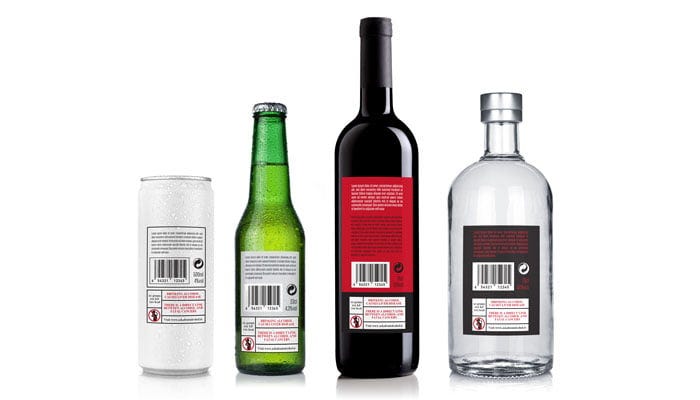
Let me put it out there - I don’t drink so I’ve got very little idea about the different types of alcohol strengths, types, tastes and more. However, I do see a lot of patients who drink alcohol and I don’t just mean alcohol dependency.
I recently encounter a 46 year old patient. She came into see me complaining of very generalised tiredness but she was very cagey during the history. It turns out that she was drinking ALOT of alcohol. She described alcohol being a part of her life for a long time including that of her parents when they were alive. It turns out that she was drinking approximately 29 units of alcohol a week. So why did she book an appointment? She wanted a blood test to reassure her that her body was okay given the amount of alcohol she was drinking. I booked her for some bloods and asked her that if her blood tests were normal whether she would consider reducing her alcohol intake. Her reply..?
“No…”
Alcohol is a part of most cultures around the world. Whether there’s a celebration, party or even a memorial gathering, alcohol in its various forms makes an appearance. For the most part, alcohol in moderate amounts of considered fine with some health benefits associated to drinks such as red wine.
Unfortunately, there’s a dark side to the drink that people don’t like to talk about and this is what I’ll try to shed some light on.
The Facts
Globally, Alcohol is responsible for approximately 3 million deaths each year worldwide (data as of 2020), accounting for about 5.3% of all deaths. This figure includes alcohol as a direct cause of death as well as it contributing to injuries such as road traffic accidents and mental illness leading to suicide.
Men are more likely to suffer from alcohol related harm with those between the ages of 15-49 most affected. In the United States, alcohol has recently been reported to be the third leading preventable cause of cancer, contributing to approximately 100,000 cancer cases and 20,000 deaths. We know excess alcohol consumption is linked to diabetes, hypertension, cardiovascular disease and other life-limiting disease.
Think about your own experience in clinic or hospitals. I see deranged LFTs all the time and whilst non-alcoholic fatty liver disease (NAFLD) is important to treat, sometimes the LFT rise is due to alcohol consumption. Now if we imagine the other extreme - a jaundiced, confused patient and disastrous oesophageal varies or ascites, we instantly know what alcohol dependancy can do to a patient.
Health Warnings - Do They Work?
Whilst the UK doesn’t impose health warnings on alcohol drinks, it has nonetheless made alcohol less accessible to at risk groups. The age limit for alcohol as well as the high excise duty (tax) has made alcohol harder to obtain. For a long time there has been discussion about applying health labels to bottles and cans like the US but the jury’s out on this one.
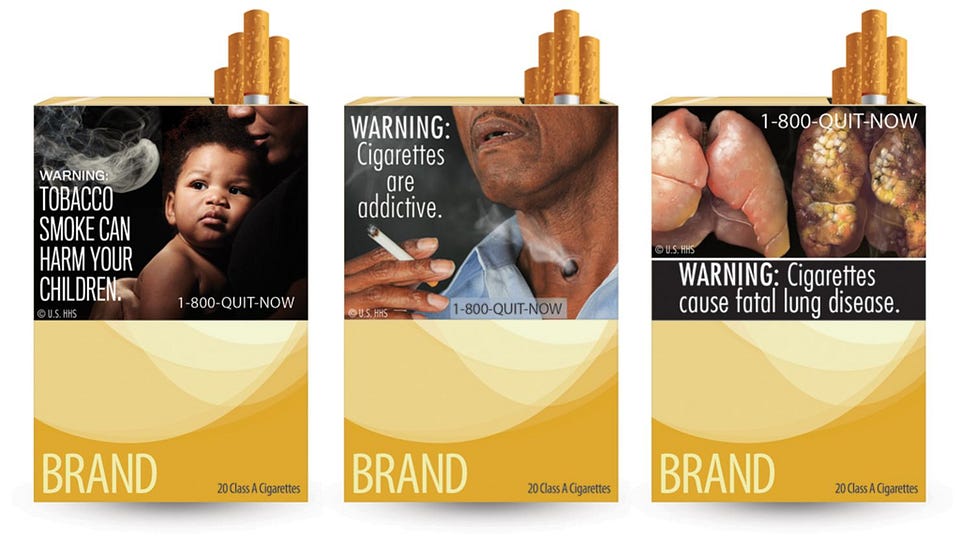
In the case of cigarettes it’s very difficult to say how much of the current all-time low rate of smokers (14.9%) is down to the gruesome images on the back of a B&H Gold but qualitative studies have supported this. Public Health England has done excellent work in highlighting the link between foetal abnormalities and alcohol as well gearing primary care to support patients with lifestyle interventions.
Why The Hesitation?
These things are never straight forward. Whilst cigarettes are common, they are not ingrained within the culture of societies. Many have argued that as opposed to having a carte blanche policy concerning health warnings on alcoholic drinks, a more targeted approach is required. Putting a label on bottles could risk creating fear behind drinking which can potentially alienate responsible drinkers.
There’s also the issue of de-sensitisation. Studies showed that the initial impact of health warnings of cigarettes were very good but this subsequently started to wither. Seeing the same set of images on cigarette packets is bound to make someone less bothered after a certain point.
Finally just like tobacco industries are a stakeholder, the alcohol market in the UK is worth £50 billion. This doesn’t even include industries that are built around alcohol such as pubs, restaurants and clubs.
So How Do We Help Patients?
I think the discussion is quite interesting as it involves health, political and economic considerations. How much the state should get involved with peoples lifestyle habits is also controversial territory. As far as I’m concerned though, I intend to support patients to instil healthy lifestyle habits and whether you’re in primary or secondary care, there are some important services you can call on:
- Motivational interviewing: This has to be a feature of most consultations. With most diseases, there is often a “lifestyle component” that acts as a contributing factor. Illness is a key time for reflection and encouraging patient to change their lifestyle at this time is important.
- NHS Health checks: I’m not there yet but I hear 40 years of age is an important time. This is where patients who have never had bloods have their first set of bloods, patients who have never exercised think about exercise and people who are having a bit too much to drink may need to start thinking twice about their alcohol intake. Encourage patients to attend and practices to follow up these patients.
- Alcohol/substance misuse teams: These are a key feature of every acute medical ward and emergency department. Unfortunately patients with alcohol dependency can get very unwell and every encounter should be used to assist these patients to quite. Suddenly quitting alcohol can have its drawbacks so its vital that these patients are supported.
So what’s your thoughts on applying health warnings on bottles/cans containing alcoholic beverages? The debate continues!
Until next time…
Common Patient Queries - A New Pareto Series
Patients occasionally ask questions that perplex me. I’m not shy of owning up to patients if I don’t know something. I usually end up searching quite far and wide for answers so I thought I’d bring some of these queries here to benefit our readership. So here goes..
“Does clicking your fingers cause arthritis?”
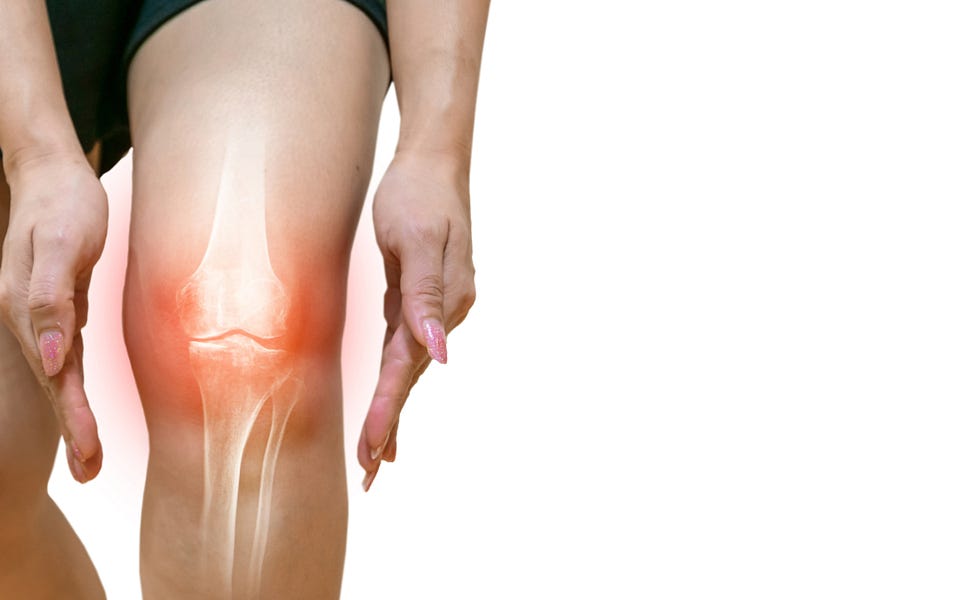
The answer is no. All that is happening is that the synovial fluid between our joints form bubbles. When you click your fingers you’re essentially popping those bubbles. This is different from crepitus though which is actually due to the grinding of bone surface in arthritis. Crepitus sounds more like low volume clicks which occur in succession.
Website: www.paretoeducation.co.uk
Instagram: www.instagram.com/pareto_ed
Twitter: www.twitter.com/pareto_ed
Youtube: https://bit.ly/3DPm23c
Email: info@paretoeducation.co.uk
Originally published on Substack.


