
Heatwave in Clinical Practice: Three Presentations You'll Be Seeing More Often
Don't miss our FREE specialist webinar this week!

“Dizziness.”
“Collapsed in the garden.”
“Burn on back.”
If your triage list has started looking like this, you’re not alone. Every summer, periods of hot weather bring a predictable surge in heat-related consultations. However, this year has been very hot with NHS bosses even announcing that we should be preparing for the summer like we do for winter.
While many presentations are straightforward, they can also mask more serious pathology or create opportunities to reinforce important public health advice. In the spirit of the Pareto Points newsletter, we thought we’d summarise some key clinical tips and some pharmacology. Here we go:
“I’ve been feeling dizzy...” Heat Exhaustion or Something More??
Dizziness, presyncope and collapse become increasingly common during hot weather, particularly in older adults. Patients taking antihypertensives, diuretics, and those with poor oral intake can be affected severely.
A quick history should explore recent time outdoors, fluid intake, exertion and medication use. If your patient has collapsed, be sure to structure your approach as pre, during and post collapse. Examination should include orthostatic observations where appropriate while keeping an eye out for alternative causes such as arrhythmias, infection or acute coronary syndrome.
Most cases represent dehydration or heat exhaustion and respond well to oral rehydration, rest in a cool environment and sensible advice about avoiding the midday sun. If you work in hospital, it’s probably worth giving a 1L of fluid to rehydrate patients. However, altered mental state, temperatures above 40°C or persistent collapse should raise concern for heat stroke and prompt hospital admission.
“I’ve burnt my back...” – Not Every Sunburn Needs A&E
Sunburn consultations often increase after the first spell of warm weather, particularly following weekends. Fortunately, most cases can be managed conservatively.Burns often look worse than they actually are and if the patient is complaining of pain, that’s a good sign as it means that the burn is likely to be superficial in nature.
No-one likes blisters on their back/chest so patients should be advised that they will likely peel off/flatted by themselves especially if they are small blisters. Any big blisters may require de-roofing which is often quite straightforward for those who are trained.
Simple measures such as cool compresses, regular emollients or aloe vera gel, adequate hydration and appropriate analgesia are usually sufficient. Patients should be advised not to burst blisters and to protect damaged skin from further sun exposure while it heals.
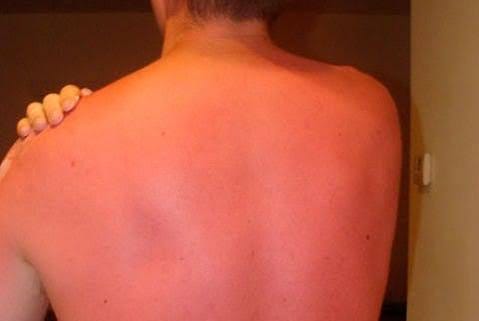
Extensive blistering, systemic symptoms, evidence of secondary infection or significant burns in young children or frail older adults should prompt consideration of same-day assessment. Extensive burns may also require referral to your local burns unit. If you’re any doubt, burns units are always happy to have a discussion and there’s often facilities present for you send across images if needed.
As always, prevention is the best treatment and it’s worth taking a moment to reinforce sunscreen use, protective clothing and avoiding prolonged exposure during peak UV hours.
A Good Time to Review Medicine Safety
This is often overlooked - trust me. Patients are often unaware that some common medications can increase photosensitivity and thus add as an additional risk factor for sustaining a burn.
Common culprits include antibiotics such as doxycycline or ciprofloxacin. Other common medications include naproxen and ibuprofen (particularly with regular use), thiazide diuretics, furosemide, and several dermatology treatments such as topical retinoids. Rarer culprits include amiodarone.
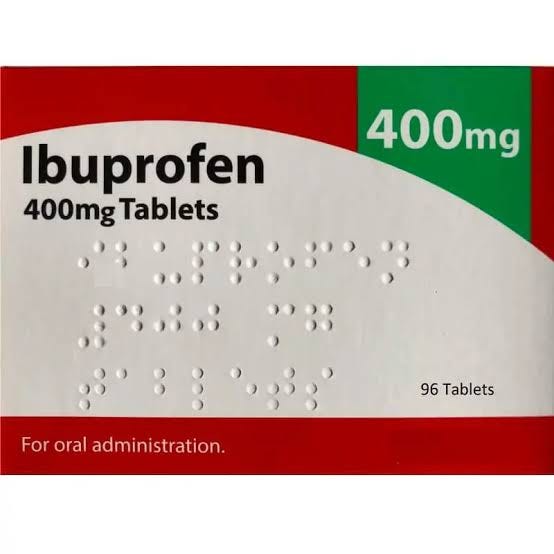
When prescribing or reviewing these medicines, it’s worth reminding patients to use SPF 50 or higher, cover exposed skin, seek shade during the hottest part of the day and continue taking their medication unless advised otherwise. They should also be reminded that medicines such as insulin and injectable therapies should not be left in hot cars or direct sunlight, as excessive heat can reduce their effectiveness.
A quick safety-netting conversation during a medication review can prevent an uncomfortable and entirely avoidable consultation later in the week.
Look After Yourselves
It’s going to be hot and consultation rooms will certainly be stuffy and uncomfortable. Most older hospitals/clinics don’t have an integrated air conditioning system and stand/tower fans might not be enough for us to have a comfortable experience.
Drink plenty of water, keep your blinds closed and be sure to stay cool. Remember - our own health is integral for ensuring high quality patient care.
Two Events You CANNOT Miss
What’s common between Diabetes and ECGs?
Simple. They’re both fundamental subject matters in modern day practice. Whilst diabetes weaves itself through entire spectrums of cardiac/renal/hepatic and other metabolic presentations, ECG interpretation is vital for effective practice.
Our first event this Wednesday @ 7pm is on the latest NG28 type 2 diabetes management. It will be delivered by Dr Ahmad Jundi, a specialty doctor in diabetes and endocrinology and he will discuss phenotyping, drug selection, moving beyond HBa1c and treatment strategies for some complicated cases. This event is FREE and live only. As always, there will be an opportunity for you to purchase a certificate. You can book here
Our second event sees the return of our acclaimed and much anticipated ECG Masterclass. Delivered by me (Dr Mohammed Oomerjee), I intend to go through the principles of ECG interpretation in detail. We talk about lead placement, ECG waveforms and a FULL PROOF structure to aid interpretation. We’ve packed it with carefully selected cases which we’ll talk through on the day and we even provide a FREE e book that contains some illustrated case. It’s been our most popular course for a while and we’ve bought it back due to popular demand. You can check it out here
See you at some of our events!
Originally published on Substack.


