
Is Tea Underrated?
New, enlightening research around our favourite beverage.
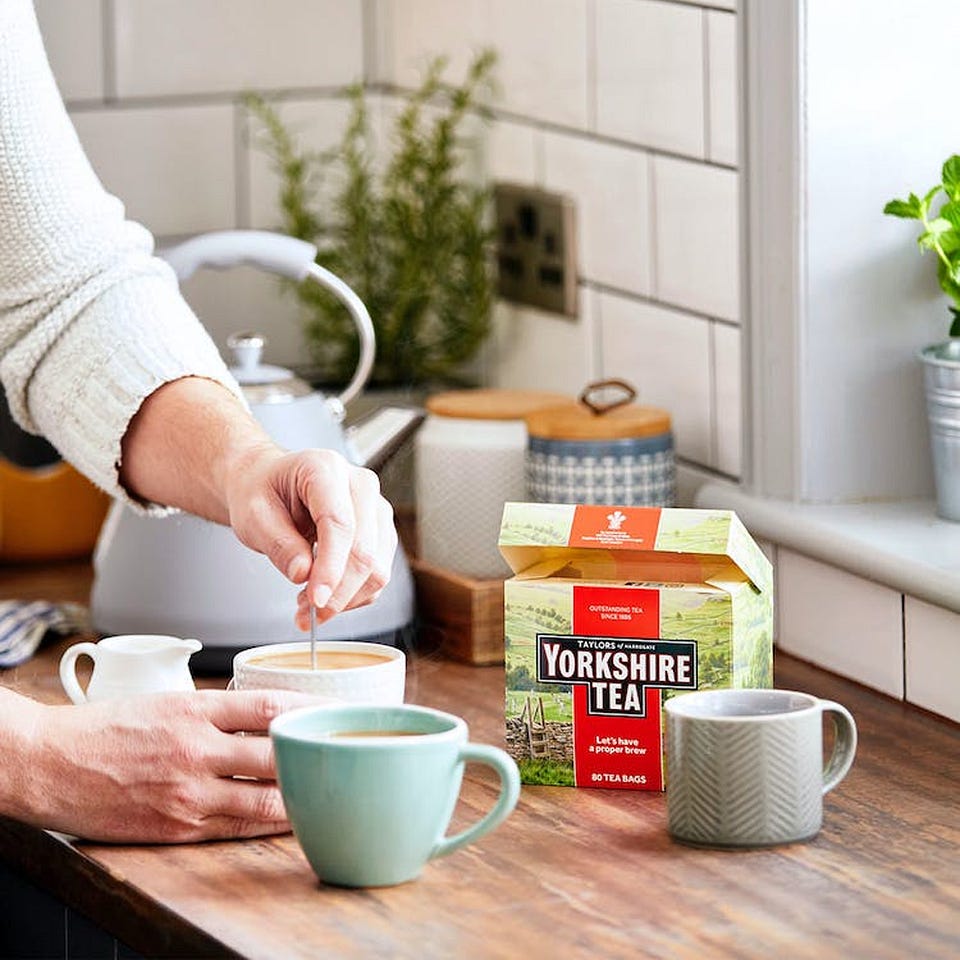
Tea is part of British heritage. I don’t think anyone can deny that. People have been sipping tea for the past few hundreds of years and the story of tea ventures into lands far, far away. From the plantations of India to the fields of China, tea in all its colour, types and tastes enrich the lifestyle of billions of people. Yorkshire tea might not be from Yorkshire, but it brings the story of centuries of tastes to our fancy mugs.
You see, I’ve been water‑fasting recently and have adopted strict windows, no calories, and sticking to “calorie‑free drinks” to keep me going. I’m quite slender but after much research (which I will share in a future issue) I realised the only way I could loose excess fat was to fast. So far so good I guess?
The tricky thing is that I only have a strict choice of drinks which are water, coffee … and tea. Water we know does the job, and coffee feels like the mainstream essential. But there’s something about tea that often flies under the radar. And I can’t help but wonder: Is tea underrated?
I certainly feel it is. The benefits of tea are beyond the nice taste and the warmth it gives us. It genuinely brings us a number of health benefits regardless of the type of tea you’re drinking. So I thought I’d bring some insights together in this weeks newsletter.
Have you made your cup of tea?
For many of us, black tea is all we know. Approximately 94% of the British population drinks black tea. A tea bag, boiling water and a splash of milk - not complicated. However, what’s contained within that tea is quite complicated.
Black tea is rich in polyphenols such as theaflavins and thearubigins. In essence they are antioxidants that counter oxidative stress, the lynchpin behind chronic inflammation, tiredness and breakdown in basic body physiology.
Now that’s the biochemical benefit but what about the actual, tangible health benefit? A prospective cohort study that followed nearly 500,000 people found that drinking two or more cups of black tea each day was associated with a lower risk of death from cardiovascular causes, including ischaemic heart disease and stroke.
Some meta-analysis have also found a reduction in LDL and positive effects on blood pressure but such evidence is still evolving.
But black tea isn’t the only type of tea. There’s also green tea. If you go to any wellness event there will always be some green tea on display. This type of tea contains catechins which are a type of flavonoids. They are vascular protective, also contain antioxidants and exert anti inflammatory effects. Here’s a really good review article on it.

Green tea has powerful effects on preventing atherosclerosis, supporting health endothelial function and limiting platelet aggregation. All of this means a direct reduction in the chances of a heart attack or stroke occurring. That’s pretty powerful stuff!
For example, a recent cohort study followed up patients who were overweight/obese and diabetes and also regularly had green tea. It found a reduced risk of CVD and stroke.
Combine green tea with mint, cloves, cinnamon and other fancy herbs - you potentially have the elixir of life at your disposal!
Finally, all tea does contain caffeine. However, the reason why we have tea as an “end of the night” drink is because the level of caffeine is quite low. This means that we avoid some of the side effects from having stimulants like caffeine.
Also, the beauty of loose tea is that it can be brewed in different concentrations. This will likely influence the concentration of beneficial compounds. So a strong, freshly brewed cup may offer more benefit than a weak, short-steeped one.
Now do you trust me when I say that tea is underrated?Whether you choose the robust familiarity of black tea, the gentle potency of green, or rotate between both depending on your mood and needs you’re likely doing your body and mind a favour!
Want to know about the benefits of water fasting? Let us know and I’ll write a newsletter on this!
QIP Projects vs Audits - Do you do know the difference?
Appraisals are a scary time. We’re asked on our development as clinicians, put under the scrutiny of clinician/patient feedback and also checked on how we’ve contributed to research, teaching and bettering clinical practice. We’ve put together a FREE video on understanding, planning and carrying out a QIP. We’ve also included some useful examples from primary and secondary care. Click on the video below and don’t forget to subscribe!
Website: www.paretoeducation.co.uk
Instagram: www.instagram.com/pareto_ed
Twitter: www.twitter.com/pareto_ed
Youtube: https://bit.ly/3DPm23c
Email: info@paretoeducation.co.uk
Originally published on Substack.


