
The Return Flight: Cosmetic Surgery Abroad and the NHS Front Door
A Tour of Cosmetic Surgeries and Their Complications
*Warning - This is one of those long newsletters with high yield clinical insights. Proceed if you’re looking to be enlightened..*
From time to time I see cases that intrigue me. On the surface they appear to be “straightforward” but as you know.. it never is.
A 27-year-old attended A&E with abdominal pain and persistent nausea after having a gastric balloon inserted in Turkey for weight loss. I had always heard about gastric balloons but had limited insight into the procedure. She felt increasingly unwell and essentially wanted urgent removal. Eating was difficult and she had a constant urge to vomit. Observations and bloods were normal and after discussion with the relevant specialty team, she was discharged with planned referral for balloon removal.
My knowledge gap made me blind-sighted. Does she warrant a referral? Surely she should contact her surgeon in Turkey for advice? Is it fair that we deal with any potential complication? What even is a gastric balloon?!?
One things for sure.. Low-cost cosmetic and bariatric procedures abroad are increasingly common. Patients frequently present to GPs, urgent care and emergency departments with complications, uncertainty around follow-up, or anxiety about expected recovery.
Clinicians do not need to be experts in cosmetic surgery but we do need to recognise red flags, identify complications early, and know when escalation is required.
This weeks issue is about the most common procedures that are carried out, their complications and how we should act as clinicians. I’ve written this with the hope that it gives you confidence to deal with such presentations. Here we go
1. Gastric Balloon
What is it?
An endoscopic weight-loss procedure where a saline-filled balloon is inserted into the stomach to reduce appetite and portion size. Usually temporary (6–12 months).
Common presentations
- Nausea/vomiting
- Abdominal pain
- Reflux
- Dehydration
Important complications
- Balloon deflation and migration
- Gastric outlet obstruction
- Gastric ulceration or perforation
- Pancreatitis
Red flags
- Persistent vomiting
- Severe or worsening abdominal pain
- Haematemesis
- Fever/tachycardia
- Peritonism
- Inability to tolerate fluids
Escalation
- Referral for bloods including FBC, U&Es, CRP, amylase/lipase
- Consider CT abdomen if obstruction/perforation suspected
- Refer to upper GI/general surgery
- Admit if unable to maintain hydration or if acute abdomen suspected
⸻
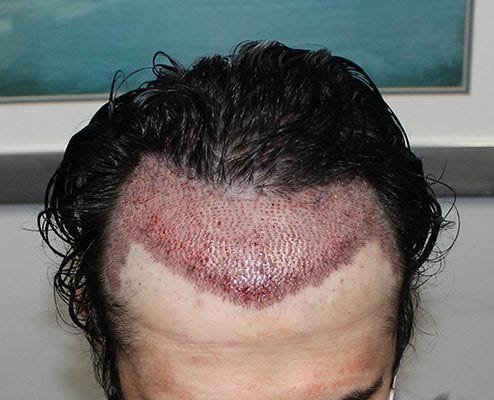
2. Hair Transplant Surgery
What is it?
Hair follicles are harvested (usually occipital scalp) and implanted into balding areas. Common techniques include FUE (follicular unit extraction).
Common presentations
- Scalp pain/swelling
- Crusting
- Bleeding
- Anxiety about graft appearance
Important complications
- Cellulitis
- Folliculitis
- Abscess formation
- Necrosis (rare)
- Sepsis (rare)
Red flags
- Spreading erythema
- Purulent discharge
- Fever
- Severe pain out of proportion
- Tissue necrosis
NHS escalation
- Most mild infections are manageable in primary care with oral antibiotics
- Some patients may require escalation to plastics/ENT/maxillofacial surgery if:Extensive infection
- Necrosis
- Systemic features
- Deep abscess suspected
⸻
3. Bariatric Surgery (Sleeve Gastrectomy / Gastric Bypass)
What is it?
Surgical procedures reducing stomach volume ± altering nutrient absorption.
Common presentations
- Abdominal pain
- Vomiting
- Poor oral intake
- Nutritional symptoms
- Dehydration
Important complications
- Anastomotic leak
- Intra-abdominal sepsis
- Pulmonary embolism
- Internal hernia
- Severe nutritional deficiencies
- Gallstones
Red flags
- Tachycardia (often early sign of leak)
- Fever
- Severe abdominal pain
- Hypotension
- Dyspnoea/chest pain
- Persistent vomiting
NHS escalation
These patients can deteriorate rapidly so be careful!
- Low threshold for CT abdomen/pelvis with contrast
- Urgent surgical review
- Consider bariatric centre advice where available
- Admit if leak/sepsis/dehydration suspected
A normal CRP or initial bloods DO NOT exclude serious complications early on.
⸻
4. Rhinoplasty (“Nose Job”)
What is it?
Surgical reshaping of the nose for cosmetic or functional reasons.
Common presentations
- Swelling/bruising
- Nasal obstruction
- Pain
- Minor bleeding
Important complications
- Septal haematoma
- Infection
- Skin necrosis
- Airway compromise
- CSF leak (rare)
Red flags
- Increasing nasal pain/pressure
- Fever
- Fluctuant septal swelling
- Visual symptoms
- Persistent heavy bleeding
- Clear unilateral rhinorrhoea post-operatively
NHS escalation
- Septal haematoma require an URGENT ENT review
- Significant bleeding or airway compromise requires emergency assessment
- Suspected infection may require antibiotics ± drainage
⸻
5. Abdominoplasty (“Tummy Tuck”)
What is it?
Removal of excess abdominal skin/fat with tightening of the abdominal wall.
Common presentations
- Pain
- Seroma formation
- Reduced mobility
- Wound concerns
Important complications
- Wound infection
- Dehiscence
- Skin flap necrosis
- DVT/PE
- Seroma/haematoma
Red flags
- Wound breakdown
- Purulent discharge
- Fever/tachycardia
- Chest pain or dyspnoea
- Severe swelling/asymmetry
NHS escalation
- Assess VTE risk carefully
- Consider PE in any post-operative patient with breathlessness
- Plastics/general surgery involvement for necrosis or wound dehiscence
- Ultrasound may help identify seroma/collection
⸻
Key Takeaways for Frontline Clinicians
- Cosmetic surgery tourism is increasingly common.
- Patients may present to NHS services with complications days to weeks later.
- Many will have limited documentation and fragmented follow-up. The documentation may not be in English and Google lens becomes a valuable resource!
- Early signs of serious complications can be subtle.
- Tachycardia, persistent pain, fever and inability to tolerate oral intake should not be dismissed as “normal post-op recovery”.
Most importantly: these patients still require the same objective clinical assessment and escalation as any other surgical patient, regardless of where the procedure took place. Whilst cost is an issue, we should try our best to encourage patients to seek such treatments in the British isles as opposed to going elsewhere.
Have you seen any other complications besides these? Let us know your thoughts!
Frailty Reviews: Recognise Early Decline & Improve Patient Outcomes - FREE CPD
Frailty is one of the most important yet under-recognised syndromes in older adults. Patients may present with subtle changes — slower mobility, weight loss, falls, fatigue, or increasing dependence — and without structured assessment, opportunities for early intervention can easily be missed. Whether you’re a medical student, doctor, physician associate, nurse, pharmacist, or part of the wider MDT, this video provides a clear, practical guide to conducting high-quality frailty reviews in primary care.
Originally published on Substack.


