
Vitamin Supplements - Is There Any Point?
Evaluating the evidence behind this popular practice
Picture this… So I have an appointment on my ledger. A fairly straightforward one it seems. The request is to discuss a discharge letter from the heart failure team. They’ve made some changes to the medication schedule so I wanted to go through it with her.
It’s never straightforward, is it?
Because once I called her and before proceeding she said
“Doctor, I have a question. You know I never do anything without speaking to the doctors…”
“Go for it…”
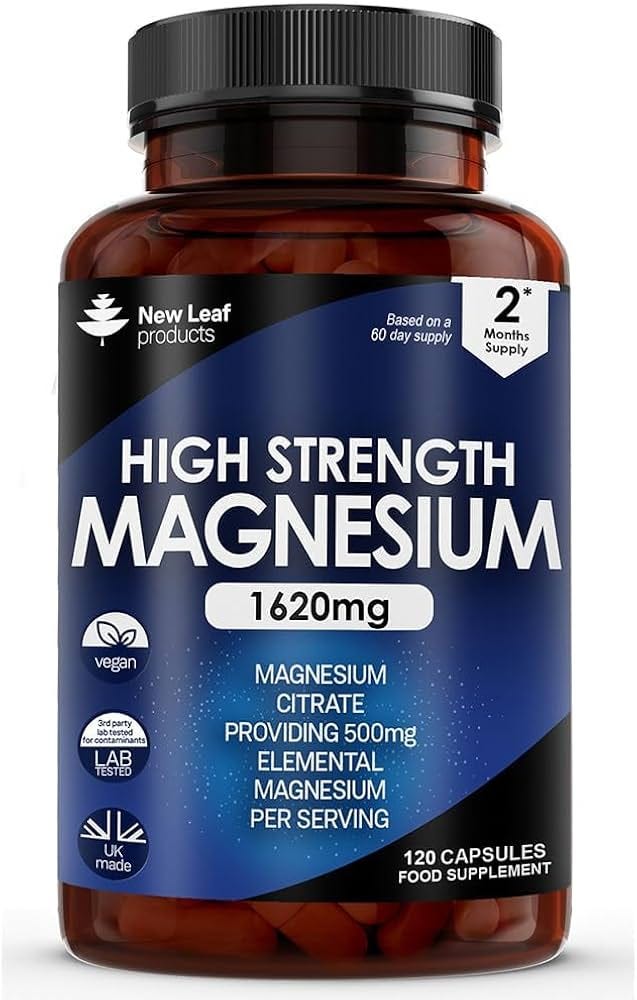
“Can I take my magnesium supplements? I forgot to ask the cardiologist but with my kidneys not in a great shape as well as my heart, I don’t want to cause more harm…”
Sounds quite rudimentary, right?
I didn’t quite know. It sounds pretty mundane but if I give the “yes” then it’s down to me. I seem to get a lot of these questions whether about magnesium or about other electrolytes/vitamins like zinc, calcium of vitamin b complexes.
Do they actually have an effect? I’m not entirely sure. Would I recommend patients take them? Aside from vitamin D and folic acid in pregnancy there doesn’t seem to be much guidance.
So let’s look at some of these vitamins and the science behind them. The point of this newsletter edition isn’t to give you guidance, but to start the process of applying the science we learnt in our degrees to queried patients have
- Zinc
Zinc is an essential mineral strongly linked to immune function. It’s always difficult to isolate the impact of vitamins but there are some emerging studies showing the impact of zinc on respiratory illness as well as age related macular degeneration (AMD). For example, some clinical trials and meta-analyses suggest that oral zinc lozenges, when taken within 24 hours of cold onset at relatively high doses (≥ 75 mg elemental zinc/day), may reduce the duration of common cold symptoms by around 1–2 days. This hasn’t quite translated into formal guidance.

Excess zinc is also a problem as it can cause side-effects such as bad taste and nausea. In the UK, routine high-dose zinc supplementation is not routinely recommended: the NHS advises not to take more than 25 mg zinc per day unless under medical supervision, to avoid risks such as copper deficiency.
- Magnesium
Big M is what they call it. Well, it’s what I call it..
Magnesium plays a key role in energy production, nerve and muscle function, blood pressure regulation, and inflammation. It comes as oral supplements, sprays and infused with oils. There are some studies that evaluate its use. For instance, meta-analyses indicate that supplementation (~300–400 mg/day) may modestly reduce blood pressure in adults, particularly those with low baseline levels. For example, one large meta-analysis of 38 RCTs found a mean reduction of –2.8 mmHg systolic and –2.1 mmHg diastolic blood pressure vs placebo.
Trials also suggest that magnesium can reduce exercise-induced inflammation (e.g., lower IL-6), speed recovery, and lessen muscle soreness. You have seen some effects advertised. However, Cochrane-review evidence finds little benefit for preventing idiopathic muscle cramps in older adults. In the UK, NHS guidance recommends up to 400 mg/day of supplemental magnesium as “unlikely to cause harm.”
Excess magnesium is also an issue. High doses can lead to diarrhoea, and caution is needed in individuals with impaired kidney function.
As for whether it can be taken in light of other conditions? It’s usually fine. Magnesium that is sold is in very small quantities and is often harmful.
- Fish Oils
These used to be big when I was a wee lad. Everything used to be infused with omega 3, from fish fingers to chocolate bars. Ok, that’s a stretch but over time we’ve become more realistic regarding its actual effect.

Fish oil (long-chain omega-3s, EPA and DHA) is often taken to support heart and vascular health. Large trials and meta-analyses show that high-dose fish oil (≥ 1 g/day) can lower triglycerides, but its benefits for preventing heart attacks, strokes, or death are modest and inconsistent. This is likely down to the fact that such diseases are multifactorial and even when we consider lipids, they are beyond just triglycerides.
Now here’s a spanner in the works. Observational data also suggest that in people without existing heart disease, regular fish-oil supplement users may have a higher risk of atrial fibrillation (AF) and stroke. Interesting right?
Finally, NICE guidance does not recommend fish-oil (omega-3) supplements for routine prevention of cardiovascular disease. Instead, they advise consuming oily fish (e.g., two portions a week) to obtain omega-3s through diet.
- Vitamin C
I love oranges. Infact, if you have some time I’d suggest heading to ALDI and picking up their specialty range of oranges. You won’t regret it.
I can appreciate why oranges aren’t liked by everyone. They’re sweet and most definitely give people a sore throat. However, they are packed with vitamin C and many opt to instead take some supplements.
Vitamin C (ascorbic acid) supports immune defence, collagen synthesis, and antioxidant protection. Meta-analyses show that regular supplementation (≥ 1 g/day) can slightly reduce the duration and severity of common cold symptoms, though it does not prevent infection. (pubmed.ncbi.nlm.nih.gov) Emerging evidence also suggests modest reductions in blood pressure and oxidative stress in adults with hypertension or metabolic syndrome. (pubmed.ncbi.nlm.nih.gov)
According to the NHS, the recommended intake is 40 mg/day, and doses up to 1,000 mg/day are considered safe. (nhs.uk) Higher intakes may cause abdominal discomfort, flatulence, or diarrhoea. Individuals with kidney disease, recurrent kidney stones, or haemochromatosis should avoid high-dose supplements, as excess vitamin C can increase urinary oxalate and iron absorption.
Now there are plenty more supplements people take but these are the ones I’ve been specifically asked about.
Are there any others you feel we should cover?
Until next time!
Your CPD questions answered
We’re growing on YouTube and we’re trying to make videos that are useful and relevant to your practice. Many clinicians ask us about CPD requirements and what types of activities constitute CPD. To make things easier, we’ve put together a short video on CPD including:
- What CPD do I need to get for my appraisal?
- Are there any cost effective ways to get CPD?
- What is self vs external CPD
- Where can I record my CPD hours.
Be sure to watch for FREE below
Website: www.paretoeducation.co.uk
Instagram: www.instagram.com/pareto_ed
Twitter: www.twitter.com/pareto_ed
Youtube: https://bit.ly/3DPm23c
Email: info@paretoeducation.co.uk
Originally published on Substack.


