
What Do Energy Drinks Do To Your Body?
Looking for some FREE CPD? Join us this Wednesday!
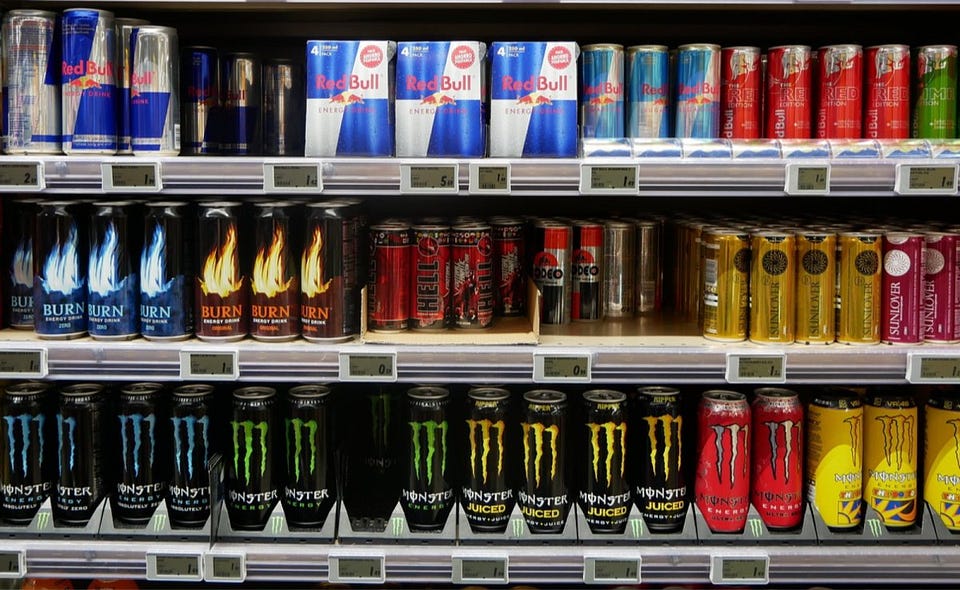
So we’ve been on the road over the past few days. We’ve gone from Leeds to Milton Keynes to London and then back again in just a matter of days.
Driving is tiring, and driving at night can sometimes be borderline dangerous. Loud music or opening the windows doesn’t always work, and in a moment you can find yourself dozing off.
It’s dangerous and if I’m honest, coffee doesn’t do much for me when it comes to fatigue. That’s especially true because I come from a culture where we drink coffee before bed!

So, what do I do? I resort to an energy drink. Whether it’s the caffeine or just placebo, it has an effect on me. I jolt into action and my “spider senses” sharpen on the road.
Now, energy drinks are circumstantial for me. I don’t actually like the taste and would choose Irn Bru any day (especially the original Scottish version). They all carry pretty interesting names. Red Bull & Boost are well known but I’ve come across some drinks called Hell, Burn and Guru. Despite this, energy drinks seem trendy as they are available in all sizes and flavours, with people enjoying experimenting.
The Government and Energy Drinks
Most recently, the government announced a public consultation on banning energy drinks for under-16s. Banning anything can be seen as ‘illiberal’, but if the justification is strong, then restricting the freedom of some for the greater good can be an admirable pursuit.
So let’s review energy drinks, their effect on the human body and the reasons why they are subject to a ban in children.
Caffeine Content and Sugar
The issue isn’t the absolute amount of caffeine, it’s the concentration. For example, a single energy drink can contain the equivalent caffeine of two servings of coffee, especially when sold in large cans.
It’s also the way we consume energy drinks - often like a can of pop. We can gulp it down and drink it quickly. Coffee, on the other hand, is usually consumed slowly. Hot coffee is often enjoyed over a conversation. Studies have shown that caffeinated drinks that are drank quickly can have a profound effect on the body.
That doesn’t mean you wait for the ice in your iced latte to melt before drinking it.

That’s just caffeine. We haven't even started talking about the high levels of sugar….
What Does the Research Show?
The current justification for the ban is reducing childhood obesity. But the effects go beyond that.
Energy drinks can create a “sleep–tiredness” cycle: caffeine reduces sleep, which makes people more tired, leading them to drink even more energy drinks to compensate. This cycle and associated sleep problems inevitably affects concentration, irritability, and school performance.
High consumption has also been linked to headaches, abdominal pain, and bowel problems - all consistent with excess caffeine intake.
Childhood obesity, meanwhile, has been a government focus for years. The high calorie and sugar content of energy drinks both increase the risk of obesity and worsen dental health. Studies also show that energy drink consumption is higher in socially deprived areas, which also have higher obesity rates.
So which types of drinks will be covered?
- Drinks >150 mg caffeine per litre (typical branded “energy” drinks, including most large cans).
- Applies to retailers, hospitality, vending and online; trading standards would enforce.
- Not aimed at tea/coffee or low-caffeine soft drinks; energy-drink cans already carry “not recommended for children” labels.
How Does This Affect Our Practice?
It’s important to appreciate that energy drinks are being consumed by patients of all ages. Despite the ban potentially affecting under 16s, the effects of the high level of caffeine and sugar affects everyone. Here are some common presentations in which it is important to enquire about energy drink consumption:
Palpitations, tachycardia, or chest pain
- Energy drinks can precipitate supraventricular tachycardia, atrial fibrillation, or ectopic beats, especially in young patients without other risk factors.
Headaches
- High caffeine intake can dehydrate and cause headaches, tremors, agitation, and dizziness.
Insomnia, anxiety, or panic symptoms
- Excess caffeine can cause sleep disruption, irritability, restlessness, and anxiety disorders to flare.
- Top tip - be sure to enquire about energy drink intake in children with sleep issues!
Gastrointestinal symptoms
- Epigastric pain, reflux, nausea, vomiting, diarrhoea can be linked to energy drinks (due to caffeine, acidity, and other additives like taurine).
Until next time..
CPD@ 7pm: Essential Cardiology 1
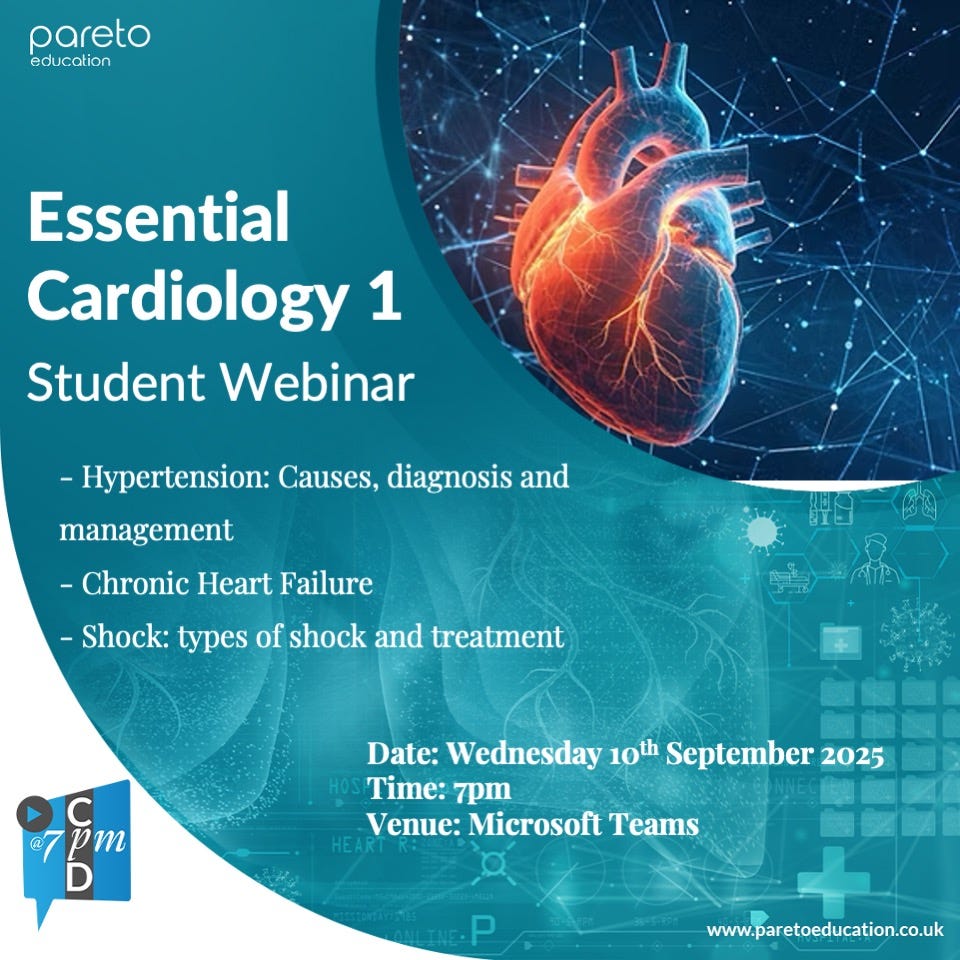
Looking for a refresh on cardiology? Join us online this WEDNESDAY at 7pm where we cover:
- Hypertension: Causes, diagnosis and management
- Chronic Heart Failure
- Shock: types of shock and treatment
As part of this FREE webinar you will also receive a slide pack and a self CPD certificate
Transition to Primary Care/GP
Looking to transition to primary care?
Yes.. you have a patient list, have the luxury of making tea/coffee and can sit down but it’s not as easy as it seems…!
This video offers an honest guide for clinicians considering a move into primary care. Aimed at doctors, nurses, allied health professionals, and newly qualified clinicians, it highlights the key differences from hospital practice covering the benefits and challenges, the realities of managing risk and uncertainty, and the focus on chronic disease care. You’ll also gain practical advice on building confidence, clinical judgment, and adapting to the professional and personal transitions of working in general practice.
Check out the full video and be sure to like, subscribe and share with others:
Website: www.paretoeducation.co.uk
Instagram: www.instagram.com/pareto_ed
Twitter: www.twitter.com/pareto_ed
Youtube: https://bit.ly/3DPm23c
Email: info@paretoeducation.co.uk
Subscribed
Originally published on Substack.


