
Why Every Clinician NEEDS Structure...
Exploring an interesting case from clinical practice (with images!)
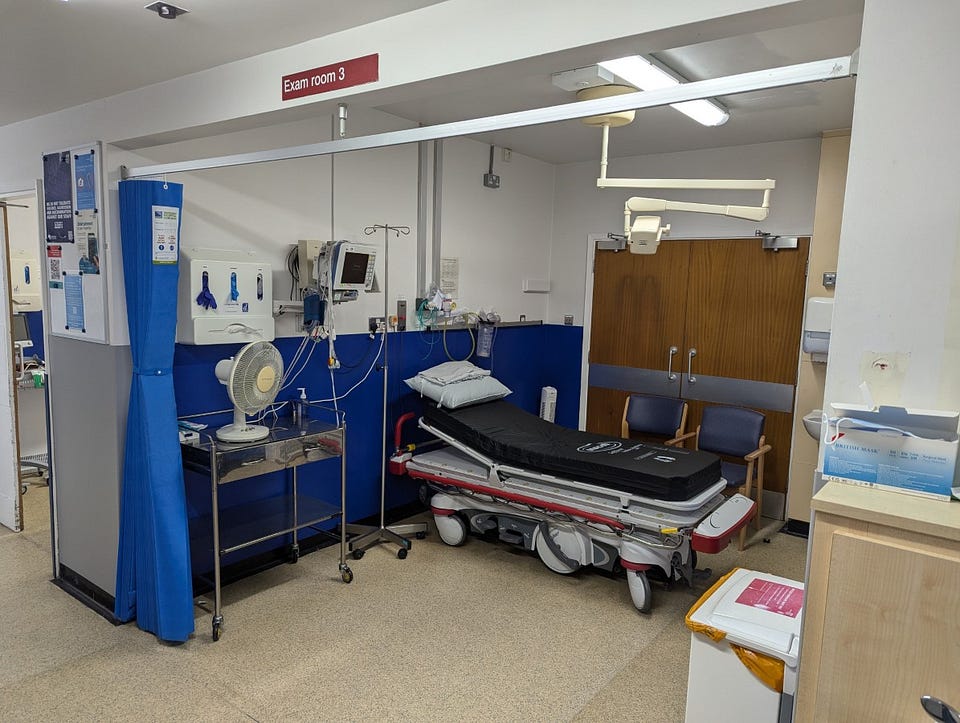
Here’s a story from a recent shift in A&E. It makes for some interesting reading and some key learning points. Ready…?
I was half way through a shift in A&E. Things were steady, I was on my second cup of coffee and honestly, I was feeling pretty positive.
Next on my list was a male patient. Mid-50s. White British. “Chest pain” was written on his triage note. So I called his name, welcomed him in my room and started speaking to him. The background was pretty standard - previously well, independent, no real medical history beyond reflux he “never really bothered with.” His reason for presentation? Sudden onset chest pain while at home; severe, central and radiating through to his back.
He was pale, uncomfortable, but haemodynamically stable. No dramatic collapse. No textbook presentation.
In the first ten minutes, my brain did what all of ours do. We start thinking about differentials. It’s pretty nature especially because of the amount of chest pain I see.
Is this cardiac? Is this aortic? Is this gastrointestinal? Is this musculoskeletal? Is this “non-specific chest pain” that needs referral to SDEC?
I checked his observations. He was tachycardic but normotensive. Oxygen saturations were acceptable on air. No temperature in sight. There were some standout features in the history though…
His pain worsened with swallowing and movement, but he couldn’t quite articulate it clearly. There was no obvious history of vomiting, trauma, or procedures. He denied haematemesis. There was no radiation - it was all pretty central…
On examination, heart sounds were unremarkable. Chest was clear. Abdomen was soft, maybe a little uncomfortable in the epigastrium, but nothing peritonitic. I wasn’t too sure though. The history didn’t have any “red flags,” but he didn’t look right. There was something “odd”. Yes - you guessed right, there was something wrong with the patient but all will be revealed shortly.
At this point the differential list was wide. Too wide..! Acute coronary syndrome Aortic pathology Pulmonary embolism Perforated viscus Severe oesophagitis or spasm Pancreatitis Even pneumonia or pneumothorax felt worth keeping on the list
We did what we’re trained to do. Standard routine of bloods, ECG and Chest X-ray.
The ECG was reassuring. “Normal sinus rhythm” was printed at the top. Ofcourse, I did my due diligence and concur with the AI-generated findings. Bloods were pending and would take time. The X-ray came back and at first glance it looked alright
And that’s where this case really comes to life.
I almost moved on.
But instead, I slowed down and forced myself to go back to structure. ABCDE - remember that?
I re-reviewed the film systematically: Airway Breathing Cardiac silhouette Diaphragm Edges Soft tissues
That’s when I had spotted something. Have a look at the image below - I wonder if you see it?
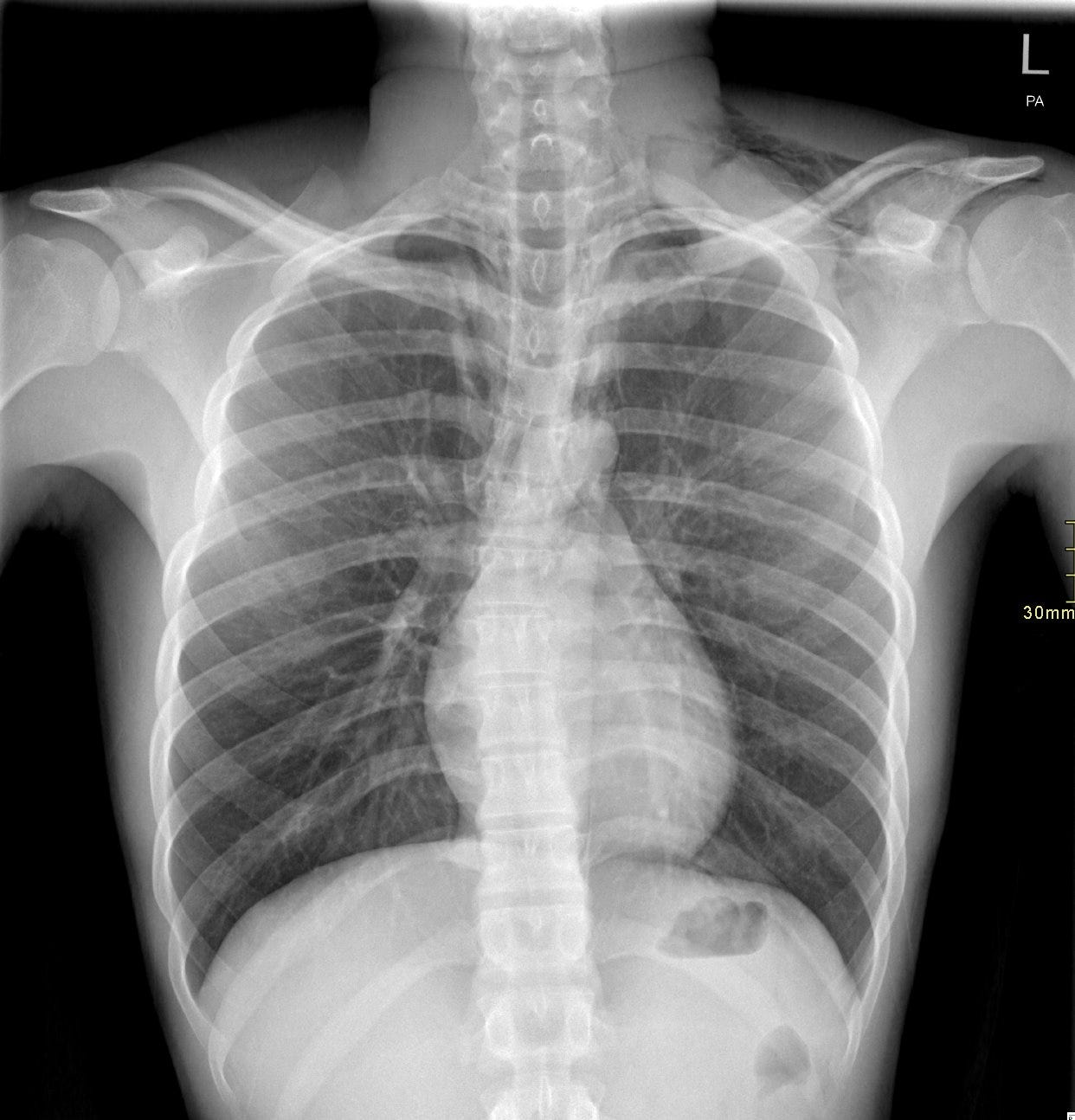
A faint suggestion of surgical emphysema high on the left superior side. Subtle and easy to dismiss.
There was more. Just hugging the left border of the heart was a sliver of air where air shouldn’t be. Nothing dramatic. Nothing that shouts at you. Only visible if you’re deliberately looking for it. Here’s a close up:
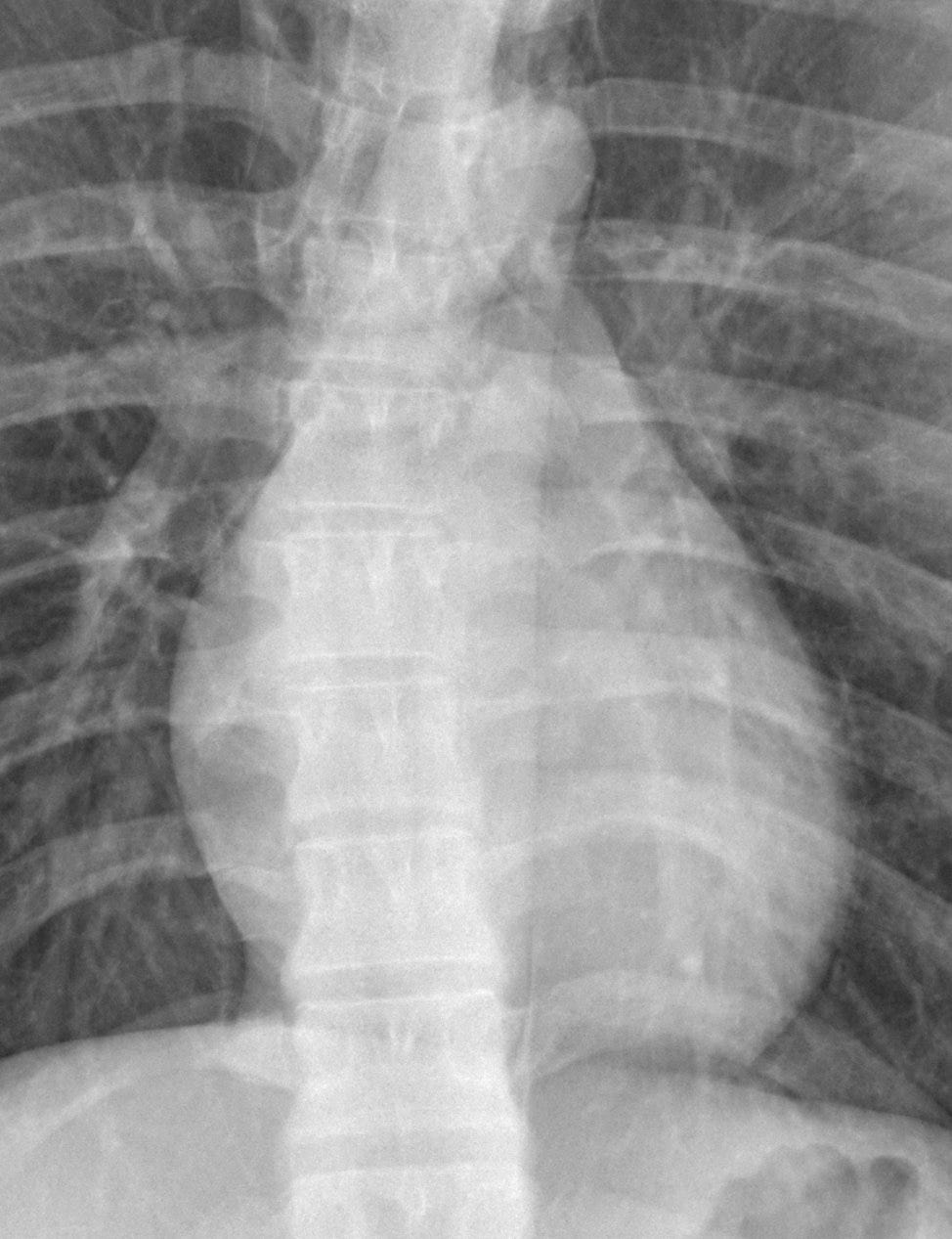
That X-ray didn’t give me an answer but gave me permission to escalate.
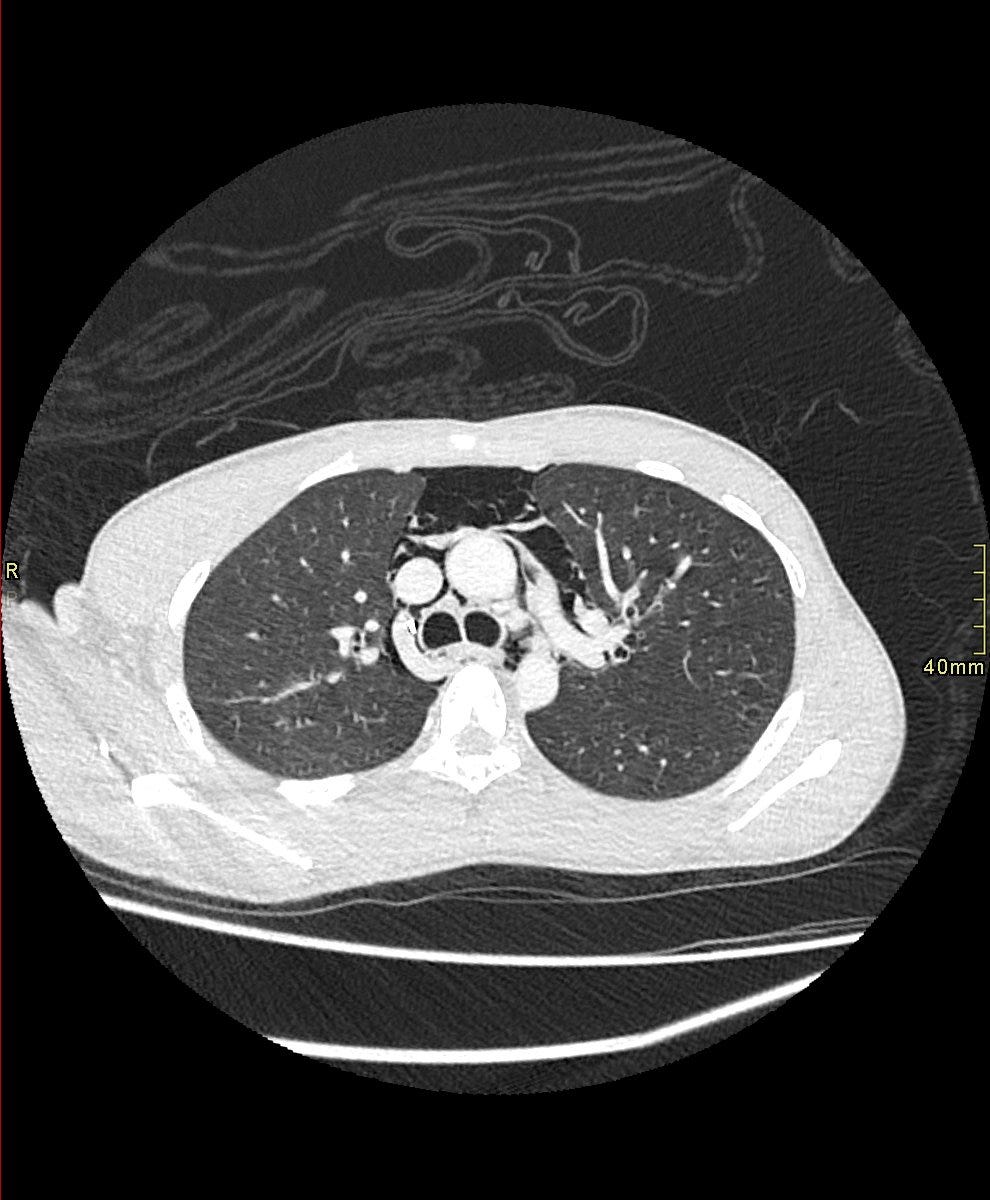
The CT scan told the rest of the story. It was indeed an oesophageal rupture, with mediastinal air and contamination. Disaster for the patient but massive learning opportunity for me (and you). Check the air (black) in the anterior mediastinum:
Management moved quickly from there: Nil by mouth Broad-spectrum IV antibiotics Early surgical involvement Critical care input Careful decision-making around operative versus conservative management depending on stability, extent, and timing
Oesophageal rupture is rare, high risk and it is very, very easy to miss.
This case wasn’t about brilliance. It was about structure.
Most missed diagnoses aren’t missed because we don’t know enough. They’re missed because we’re tired, busy, interrupted and we trust our first glance instead of our system.
We always say in our training courses - always stick to your structure! Whether it is ECGs, ABGs, X-rays or any investigations try and slow down when something feels off, even if the investigation looks “normal.”
At Pareto Education, this is exactly the gap we’re trying to close.
We already have on-demand courses taking a practical, evidence-based approach to: • Blood test interpretation • ECG interpretation
And we’re actively developing new content focused on X-ray interpretation, designed for real-world clinicians, real cases, and real decision-making — not idealised exam scenarios.
If this story resonates with you, keep an eye out for what’s coming and if you haven’t already, consider signing up to our existing courses — they’re built for moments just like this one.
Because sometimes, the most important finding on an X-ray is the one you only see when you know where to look.
Hope you learnt something from this week’s newsletter! See you on the next one.
Adrenaline, Accidents and Ambulances - A conversation with a GP working in MotoGP
For those looking for something to listen to on a drive, whilst exercising or doing some chores - check out the Pareto Podcast! This is where we bring clinicians from across the MDT to discuss unique dimensions of their NHS careers.
We bring Academic ACPs, medicolegal experts and this time... a doctor who works in MotoGP,
This podcast titled “Adrenaline, Accidents and Ambulances” discusses Dr Manzoor’s role working with other MDT clinicians to ensure the safety of those taking part in international MotoGP racing. It is certainly a fantastic watch!
CPD Women’s Health Masterclass (LIVE + RECORDED ACCESS)
Women’s health has become more central in primary and secondary care over the years with the development of new diagnoses and management options. Join us for a comprehensive masterclass delivered by Dr Iqra Azhar (specialist registrar in gynaecology) covering the following subjects:
- Menstrual bleeding: PMS, amenorrhoea & menorrhagia
- Emergency gynaecology
- Endometriosis & uterine fibroids: updates in management
- Contraception & HRT - selection and prescriptions
- Gynaecological malignancies
You will obtain a CPD Certificate AND a recording of the FULL event
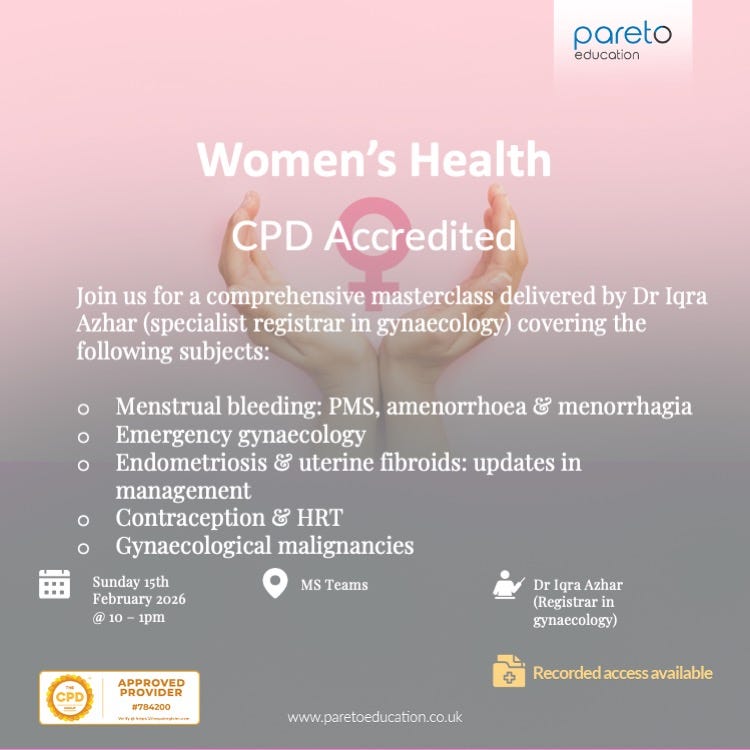
Date: Sunday 15th February 2025 @ 10am - 1pm
Sign up here: https://www.paretoeducation.co.uk/service-page/cpd-women-s-health?referral=service_list_widget
Website: www.paretoeducation.co.uk
Instagram: www.instagram.com/pareto_ed
Twitter: www.twitter.com/pareto_ed
Youtube: https://bit.ly/3DPm23c
Email: info@paretoeducation.co.uk
Originally published on Substack.


